Blog

6 Water Safety Tips for Your Pup

Keep your dog safe in and around the water this summer

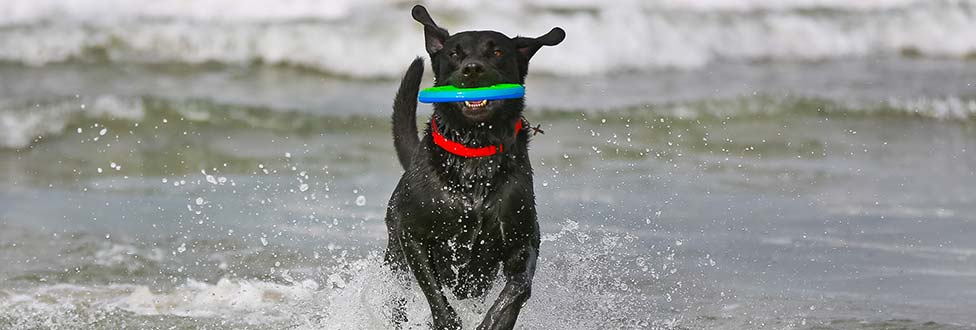
Swimming can be a fun way to help your dog cool off during warmer months, but water can also pose risks. Whether you’re heading to a beach, lake, pond, or a pool, a little preparation can help keep your pup safe.

1. Check Before You Go
Before heading out, confirm that your destination is dog friendly. Many beaches, lakes, ponds, and parks have rules around dogs, including restricted hours, leash requirements, seasonal bans, or limited access areas.

2. Know Your Dog’s Limits
Despite the term “doggy paddle,” not all dogs are natural swimmers. Breeds with short snouts or compact bodies, such as bulldogs and pugs, may struggle in the water, while some dogs may simply never feel comfortable swimming.

If your dog is new to swimming, ease them in slowly. Start in shallow water and help them build confidence before moving to deeper or open water.

3. Gear Up and Know the Exits
A properly fitted life vest can help keep your dog afloat and provide an added layer of protection. Make sure your dog always knows how to get out of the water. If there is only one set of stairs, a ramp, or a dock exit, regularly guide your pup back to it so they can find it quickly if needed.

4. Supervise and Take Breaks
Never leave your dog unsupervised near water. Even strong swimmers can become tired, overheated, or disoriented.

Call your dog in for regular breaks, keep them close to shore, and always have fresh water available.

5. Check for Hazards
Before letting your dog swim, look for currents, tides, posted warnings, red flags, sharp rocks, broken glass, fishing hooks, or other debris.

Be especially cautious around lakes and ponds. Blue-green algae can appear as blue-green or brownish scum on the surface of warm, stagnant water and can be deadly to pets. If the water looks suspicious, keep your dog out and do not let them drink from it.

At the beach, watch how much saltwater your dog may be swallowing. Too much saltwater can lead to salt poisoning, with signs including vomiting, diarrhea, excessive thirst, drooling, confusion, seizures, or collapse.

6. Rinse and Dry After Swimming
After every swim, rinse your dog to remove chlorine, salt, bacteria, or other irritants from their skin and coat.

Dry their ears carefully with a cotton ball, as trapped water can lead to painful ear infections. Signs may include scratching, redness, swelling, odor, discharge, balance issues, or hearing loss. Contact your veterinarian if you notice any concerning symptoms.

Keep Water Fun and Safe

With planning, supervision, and plenty of breaks, you can help your dog enjoy the water safely all summer long. Keep your pets healthy and safe this season with more safety tips.

A Legendary Legacy: Honoring Alan Borgal’s 50 Years of Compassion

ARL Celebrates a Lifelong Advocate Whose Dedication to Animals and Community Has Changed Countless Lives

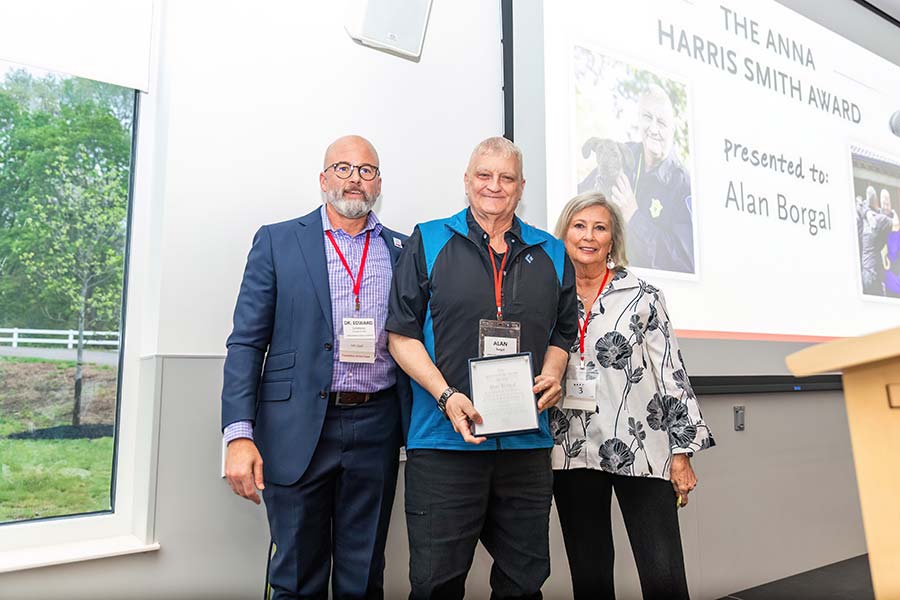
On May 6, 2026, ARL’s Board of Directors proudly presented Alan Borgal with the Anna Harris Smith Award, one of the organization’s highest honors.

Named after ARL’s founder, Anna Harris Smith, this award is given only on rare occasions to extraordinary humanitarians whose dedication and service have made a lasting impact on animals and the community.

For more than 50 years, Alan has devoted his life to protecting animals, investigating cruelty, promoting kindness, and ensuring that vulnerable animals receive the care and compassion they deserve. His unwavering commitment has shaped ARL’s mission and touched countless lives across the community.

(L) President & CEO Dr. Edward Schettino, (C) Lt. Alan Borgal, (R) Former President Mary Nee

Throughout his remarkable career, Alan’s work has earned national recognition, including the Boston Celtics’ “Heroes Among Us” award, the Animal Legal Defense Fund’s “America’s Top Ten Defenders Award,” and the prestigious Maddie’s Fund Hero Award.

But beyond the accolades, those who know Alan best recognize something even more meaningful: his deep compassion and lifelong connections with the people and animals he has helped.

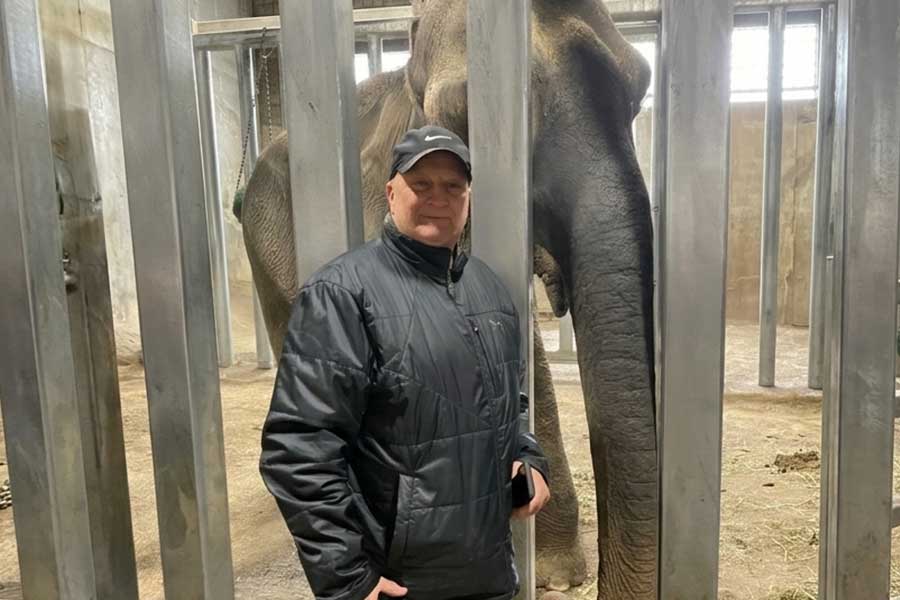
One of Alan’s most well-known rescues came in 1986, when he helped save Ruth the Asian Elephant. Their bond endured for decades, with Alan continuing to visit Ruth regularly until the day she passed away, a beautiful reflection of the lasting relationships he builds through his work.

A man in a black jacket and cap stands smiling in front of an elephant behind vertical metal bars.

Alan and Ruth the Asian Elephant

As Alan enters retirement, he leaves behind a legacy that is nothing short of extraordinary. He has been a teacher, protector, mentor, and friend to thousands of animals and the people who care for them. His leadership, wisdom, and compassion have helped shape generations of humane advocates and strengthened ARL’s mission for the future.

We are deeply grateful for Alan’s half-century of service and for the kindness he brought to our organization every single day.

Alan, thank you for making the world a more compassionate place and for being such an essential part of ARL’s history. We wish you all the very best in your well-earned retirement.

Share Your Farewell Wishes

We would love to share your favorite memories and messages with Alan. Please send your memories and messages to advancement@arlboston.org.

Honor Alan’s Legacy

Celebrate Alan’s 50+ years of service with a tribute donation that helps continue his legacy of protection, compassion, and care for animals in need. Make a tribute donation today.


A New Chapter for Animals in Boston’s South End

ARL celebrates a major construction milestone on its future state-of-the-art facility

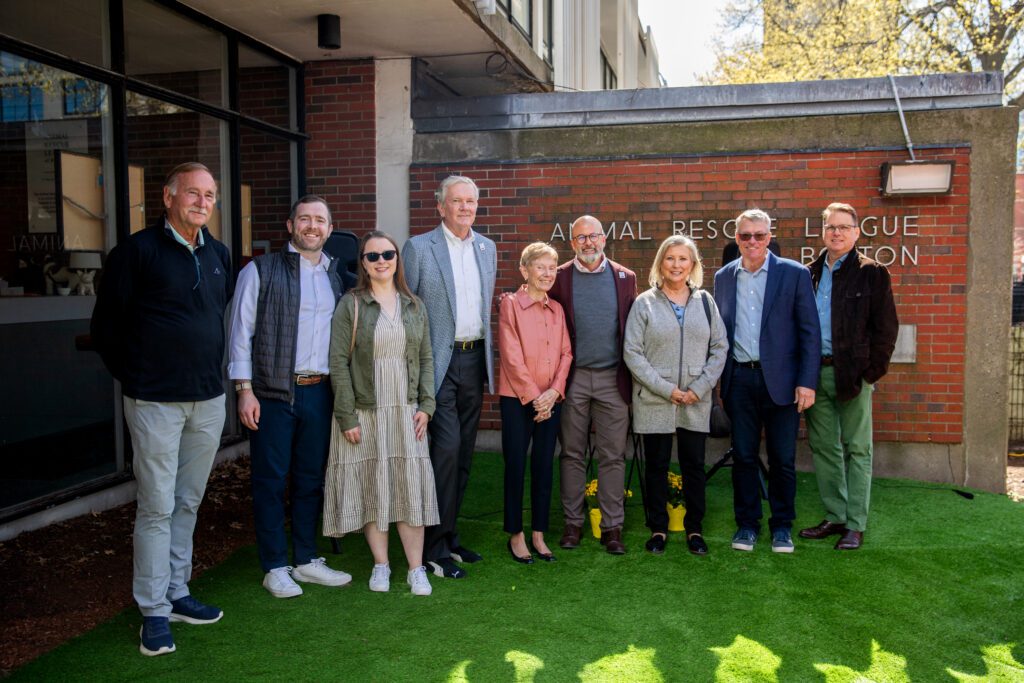
The Animal Rescue League of Boston (ARL) marked a significant milestone in the construction of its newly renovated flagship location in Boston’s South End on Tuesday, April 28, 2026.

At the event, guests took part in a meaningful tradition, signing their names, along with the names of their pets, on the final steel beam that will be placed in the building. This beam will become a permanent part of ARL’s future home, symbolizing the community support behind the project. Once complete, the facility will be downtown Boston’s only Animal Care & Adoption Center.

A group of nine people, smiling, stands on grass in front of a brick building with the sign "Animal Rescue League of Boston." The setting is sunny and cheerful.

L to R: Rod Macdonald, Kevin and Margo Mercer, Walter Kenyon, Dr. Cynthia Kettyle, Dr. Edward Schettino, Mary Nee, Dr. David McGrath, Malcolm McDonald

“This shelter will be more than walls and kennels. It will be a safe haven for animals in need, for people facing hardship, and for a community that believes in kindness,” said Dr. Edward Schettino, ARL’s President and CEO. “It will be a place where lives begin again.”

ARL’s Boston campus has long served as the heart of the organization. Originally built in 1956, the facility carries a rich history, but no longer meets the standard of care that today’s animals deserve. As ARL’s highest-volume location, it supports more animals and people than any other ARL site. Its central location and proximity to public transportation also make vital programs and services accessible to communities facing the greatest barriers to care.

Rendering of the new Animal Rescue League of Boston building

Rendering of the new Animal Rescue League of Boston building – Chandler Street entrance

Construction on the new Chandler Street facility began in June 2025, with phase one expected to be completed in spring 2027. The reimagined space will include an animal care and adoption center, a dog training center, an expanded shelter and veterinary hospital, and increased capacity for Boston Veterinary Care, ARL’s outpatient clinic, where 100% of proceeds are reinvested to support animals in need.

Learn more about the project.


As the Ice Melts, Hope Blooms for Dogs Like Mouse

Cold Weather Slowed Dog Adoptions, Now ARL Is Catching Up

After a historic winter marked by extreme cold and record-breaking snowfall, the Animal Rescue League (ARL) of Boston is turning its focus toward a brighter spring.

The harsh weather took a significant toll on ARL’s Animal Care & Adoption Centers in Boston, Dedham, and Brewster (Cape Cod). Fewer visitors were able to make the trip, leading to a noticeable decline in dog adoptions. As a result, kennel space has remained limited, making it more difficult to take in and care for other dogs in need.

As the seasons begin to shift, ARL is hopeful that warmer days will bring renewed opportunities for adoption, opening doors for more animals to find the loving homes they deserve.

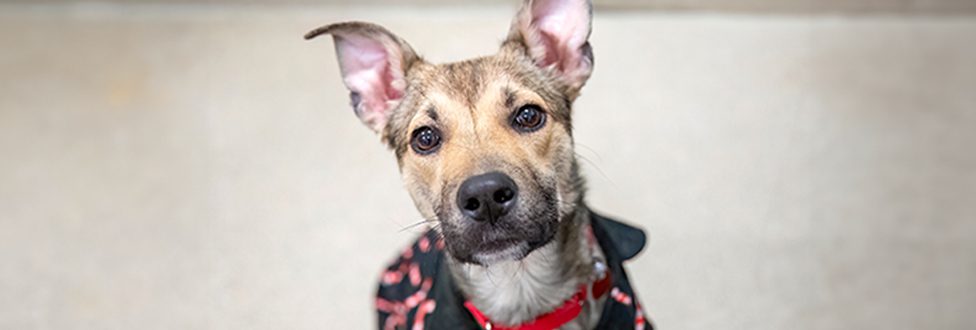
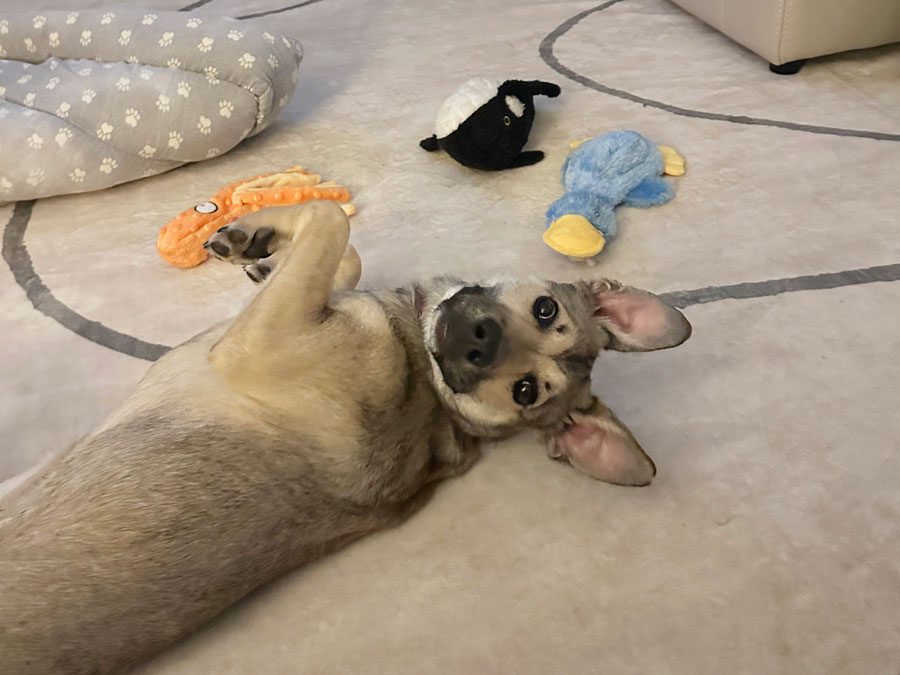
One dog awaiting adoption since December 2025 is Mouse: Mouse is an 11-month-old German Shepherd mix who arrived at ARL dangerously underweight and too weak to wag his tail. ARL’s team put Mouse on a round-the-clock refeeding plan, carefully designed to help him regain strength. Mouse lived with a loving foster family as he continued to heal and is now ready to be adopted. Learn more about Mouse.

A playful dog lies on its back on a beige rug, surrounded by colorful plush toys.

Mouse, in his ARL foster home

To help new dogs and their families start off strong, ARL has teamed up with Tall Tails and Polkadog this spring. Beginning Friday, March 27, the first 50 dog adopters will receive a starter kit filled with essentials to support their transition home. Search adoptable dogs.


Major Win for Animals in Massachusetts

The Senate Unanimously Passes the Pets Act to Improve Animal Welfare

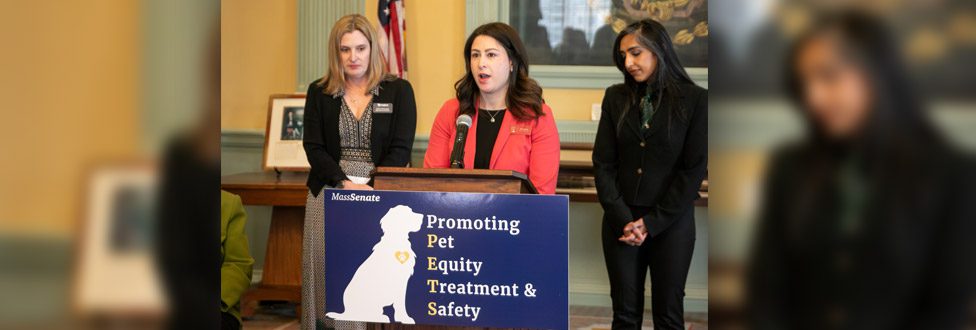
On March 19, Massachusetts Senate debated and unanimously passed An Act promoting pet equity, treatment, and safety (PETS Act). This bill combines a number of pieces of legislation from ARL’s Legislative Agenda to improve the lives of companion animals in Massachusetts.

Pets in Housing

Housing-related reasons are the largest cause for surrenders to our shelters. On top of the issues around cost and availability in housing, the overwhelming majority of rentals are not truly pet-friendly. Even for those who own their homes, insurance companies often charge more for certain breeds, regardless of the individual animal’s history. This legislation would prohibit home and renters insurance from canceling, refusing to renew, or charge an increased amount based on the presence of a dog on the property.

The human-animal bond improves human health and improves quality of life. The PETS Act adds onto existing programs in elderly housing authorities to increase pet ownership programs in other housing authorities. Expansion of pet friendly housing keeps pets out of shelters and keeps pets and people together.

Retail Sale of Pets

Dogs sold in pet stores come from large-scale breeders, often referred to as “puppy mills”. Animals from these facilities are raised in conditions that are harmful to their physical and emotional health. Consumers are also at risk of health concerns from these animals, with numerous documented cases of disease spread from pet store puppies.

Opponents of retail sales bans claim that these breeders are inspected by the USDA. Not only are USDA standards a bare minimum of animal welfare, the USDA’s own reports admit they are unable to effectively enforce their own standards. Further, dogs are often sold to pet stores through a broker, so information on the actual breeder is rarely available.

This bill would prohibit the retail sale of dogs and cats in Massachusetts, while still allowing for pet stores to partner with local shelters and rescues to provide pets to the public. This bill has no impact on breeders who sell direct to consumers. Sixteen municipalities in Massachusetts have banned the retail sale of dogs and cats, including Boston, Cambridge, and Springfield. Out of the 25 largest pet stores in the country, 24 do not sell animals. A humane model is profitable, with US consumers expected to spend almost $70 billion on pet food and treats alone in 2026.

Animal Testing

As the technology for alternatives to animal testing becomes more successful, testing on animals for household goods and cosmetics becomes unnecessary and is less accurate than alternatives. Animal test methods for testing cosmetics isn’t putting eyeshadow or lipstick on a rabbit. Animal test methods include the “Draize test” to determine toxicity and irritation to the human eye, accomplished by applying the substance to the animal’s eye or skin to observe the amount of irritation caused. Not only is this test inhumane to the animal, the biological differences between animals and humans means it often yields results inconsistent with impacts to humans.

Science, much of it developed here in Massachusetts, has made it so that we don’t need to use these barbaric methods to determine safety. This bill requires the use of non-animal test methods for household goods and cosmetics when there is a sufficient alternative available.

Cruelty

Massachusetts has a comprehensive animal cruelty statute, treating serious animal cruelty as a felony. However, there are situations where a felony isn’t appropriate for the circumstances. This bill builds on existing laws for dogs prohibiting cruel conditions to expand these protections to all household pets, allowing for a civil citation to be issued when there are cruel conditions that do not rise to the level of felony cruelty. Having increased tools for law enforcement and animal control officers means that they can intervene in cases before they rise to the level of felony cruelty. ARL’s community programs and law enforcement departments work together to provide support for pet owners when appropriate.

Massachusetts Homeless Animal Fund

Created in 2012, the Massachusetts Homeless Animal Fund seeks to provide no-cost spay and neuter to pets in-need in Massachusetts. This program has helped thousands of animals in Massachusetts, but the need has outpaced the financials of the program. The Fund receives money through donations, grants, and legislative appropriation. This bill would take certain fines that currently go into the General Fund and put them directly into the Massachusetts Homeless Animal Fund to pay for these essential services.

We are incredibly grateful to Senate President Spilka, Senate Ways and Means Chair Rodrigues, Senator Rausch, and Senator Cyr for their efforts in advancing this legislation through the Senate.
This bill has been championed by a dedicated group of sponsors, Senator Montigny, Senator O’Connor, Senator Payano, and Senator Lewis.

The bill has moved on to the House and currently sits in the House Ways and Means Committee. The House will debate their budget at the end of April, so stay tuned to learn about ways to advance this bill through the House and to the Governor’s Desk! Save the Date for the annual Lobby Day for Animals on June 10.


Avoiding Pet Adoption Scams

Red Flags and How to Stay Safe

As more people turn to the internet to find their next pet, online adoption scams are becoming increasingly common and more convincing. Knowing what to look for can help you avoid costly and heartbreaking situations.

The Animal Rescue League of Boston (ARL) is encouraging prospective adopters to stay vigilant and take a closer look before engaging with online listings.

Recently, a Boston resident searching for a kitten found a website that appeared highly credible. It featured professional language, impressive statistics, and logos from well-known animal welfare organizations. After inquiring about a pet, they were told to meet at 10 Chandler Street, ARL’s Boston Animal Care & Adoption Center.

Fortunately, the individual recognized the warning signs before any money was exchanged. However, the use of a legitimate shelter address highlights how sophisticated these scams have become.

Common Pet Adoption Scam Red Flags

If you’re searching for a pet online, watch for these key warning signs:

    • Poor spelling, grammar, or inconsistent messaging
    • Communication restricted to social media or personal email
    • Requests for upfront payment or deposits
    • Lack of verifiable medical or background records
    • Extra fees for shipping, vaccinations, or permits
    • Photos that look like stock images or appear altered
    • Organizations not listed on the Massachusetts approved shelter list

If a seller claims to be a breeder, always ask for registration details. If they hesitate or refuse, it’s best to move on.

What to Do If You Encounter a Scam

If you suspect a fraudulent listing:

    • Report it to your local law enforcement
    • File a complaint with the Federal Trade Commission (FTC)

Taking these steps can help prevent others from becoming victims.


Popular Spring Flowers That Are Toxic to Pets

Know the Risks Before You Plant or Pick

Spring brings longer days, warmer weather and plenty of beautiful blooms. But while these flowers brighten up our homes and gardens, some of the most popular spring plants can be dangerous for dogs and cats.

Pets are naturally curious, and even a small nibble on the wrong plant can lead to serious health issues. Before bringing home a bouquet or planting your garden, it’s important to know which flowers to avoid.


Common Toxic Spring Flowers to Know

Crocuses
Crocuses are among the first flowers to bloom in early spring, but they can still pose a risk to pets.

Purple crocuses with vibrant orange centers bloom among green grass and brown soil

Crocuses

  • Certain varieties can cause gastrointestinal irritation
  • More serious complications may occur depending on the type and amount ingested


Lilies (especially dangerous for cats)

Lilies, including Easter, Daylilies, Asiatic, Peace Lilies, and Lily of the Valley, are among the most dangerous spring plants.

A vibrant garden scene with orange and yellow daylilies in full bloom against lush green foliage

Daylilies

  • Even small exposure, such as chewing a leaf or drinking vase water, can cause kidney failure
  • Ingestion can be fatal, particularly for cats


Tulips, Hyacinths, Daffodils, and Irises

These classic spring favorites all contain toxic compounds that can harm pets.

  • All parts of the plant are toxic
  • Bulbs are the most dangerous due to their high concentration of toxins
  • Pets that dig are at higher risk
A series of four vibrant flower photos: red and pink tulips, rows of multicolored flowers, bright yellow daffodils, and lush purple irises, evoking a sense of spring.

Top-left: Tulips; Top-right: Hyacinths; Bottom-left: Daffodils; Bottom-right: Irises


Possible symptoms of ingestion include:

  • Drooling
  • Vomiting
  • Diarrhea
  • Lethargy

If you suspect your cat has ingested lilies or any harmful substance, seek medical attention immediately–do not wait! The ASPCA’s Animal Poison Control Center is available 24 hours a day, 365 days a year at (888) 426-4435, for any animal poison-related emergency.


Pet-Safe Spring Flower Alternatives

You don’t have to skip the blooms altogether to keep your pets safe. There are plenty of beautiful, pet-friendly options that let you enjoy the season without the worry.

Safe Flowers to Consider:

  • Sunflowers
  • Marigolds
  • Roses
  • Snapdragons

Supporter Spotlight: Denise Saltojanes

Denise Saltojanes exemplifies leadership, innovation, and a dedication to uplifting others. Her career journey is a testament to her relentless curiosity and drive, beginning as a chemical engineer at GE, transitioning to investment banking, and later devoting over a decade to the Air Force Department of Defense as a civilian operations research analyst. True to her dynamic nature, she also pursued her own massage therapy business before shifting her focus to private investing. Today, she plays a crucial role in helping female-led startups secure funding and scale their businesses.

Originally raised on a farm in Connecticut, Denise grew up surrounded by animals. Her family’s land housed up to 40,000 chickens, along with horses, dairy cows, and several farm cats. Whether it was braiding her horses’ manes, milking cows, or cuddling with a dog, she treated every animal with the care of a best friend.

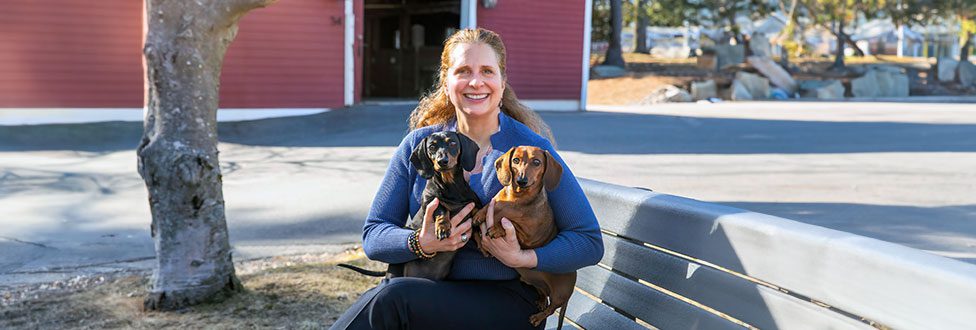
Her grandfather, who started the farm during the Great Depression, instilled in her a deep appreciation for animals—a passion she carries to this day. Though she no longer lives on a farm, she and her husband, Steve, share their home with two personable dachshunds, Stanley and Henry.

Denise’s philanthropic philosophy mirrors her business mindset—strategic, impact-driven, and rooted in strong leadership. While her relationship with the Animal Rescue League of Boston (ARL) began with a dog training class in Boston, she has grown to admire the organization’s community-driven approach, recognizing that ARL’s work extends far beyond sheltering animals. Denise strongly believes in making pet ownership accessible to all, rejecting the idea that only certain people “deserve” to have pets. As she puts it simply, “it’s free to love.”

As a proud member of ARL’s Leadership Circle, Denise believes in supporting organizations that adapt to evolving needs, both locally and nationally. For her, investing in ARL is about more than helping animals —it’s about shaping a more compassionate society where respect for animals is woven into our laws, values, and everyday lives.

Her dedication to supporting women-led initiatives makes her connection to ARL even more meaningful. Founded in 1899 by visionary Anna Harris Smith, ARL was the first female-founded animal welfare organization in Massachusetts. Just as she champions women’s leadership in business, Denise’s support of ARL honors the pioneering spirit of women who have driven change in animal welfare for over a century. Her generosity and leadership inspire us, and we are deeply grateful for her unwavering support in building a kinder world for animals and the people who love them.


March is Adopt A Rescued Guinea Pig Month!

There’s more than just cats and dogs at the Animal Rescue League of Boston

Many people assume that animal care & adoption centers only have cats and dogs, but here at the Animal Rescue League of Boston (ARL) we have a knowledgeable staff and are able to accommodate a variety of animals including, guinea pigs.

And they are just waiting for to find their perfect match!

If you’d like to adopt a guinea pig (or other small animal) from the ARL, make sure to bring a photo of the cage that your new pet will live in to make sure it’s a good size and shape for a guinea pig.

Just like any other pet, guinea pigs require special care and attention. Familiarizing yourself with their daily and long-term needs before adding one to your family is also an important step in the adoption process.

Guinea pigs can make great companions for both first-time or experienced pet owners, however they require a bit of patience and a gentle hand.

Once they are comfortable with you and their new surroundings, their personalities really shine through!

Guinea pig care tips (PDF)

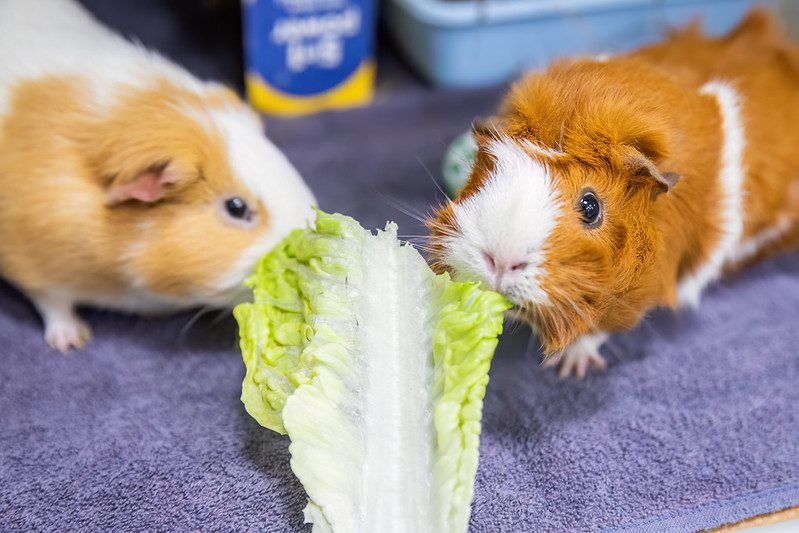
Two guinea pigs eating a piece of lettuce

Adopt a Rescue Guinea Pig Month Fun Fact

Guinea pigs communicate through a variety of behaviors and sounds. These small animals will make a squealing or whistling sound, for example, to communicate anticipation or excitement–usually before they eat! Meanwhile, a deep sounding purr indicates your guinea pig is comfortable and content.


Animal Rescue League of Boston Receives $5K Grant from The ‘Quin House Impact Fund

Funding will support the organization’s ongoing efforts to protect and care for animals across Greater Boston

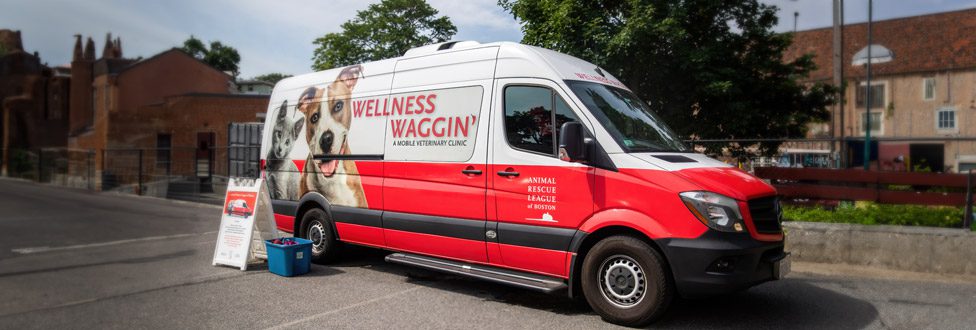
The Animal Rescue League of Boston (ARL) today announced it received a $5,000 grant from The ‘Quin House Impact Fund, marking one of the first grants from the fund made to an animal welfare organization. The grant will be used to support the ARL’s Wellness Waggin’®, which provides low-cost veterinary care throughout Boston’s neighborhoods. ARL is one of more than 150 Massachusetts nonprofits awarded grants this winter by The ‘Quin House Impact Fund.

“This grant will make a meaningful impact for local pet families, ensuring pets receive the care they need, regardless of a family’s financial resources,” said Dr. Edward Schettino, President & CEO of ARL. “ARL relies on the generosity and support of our whole community to keep animals and people together. We are grateful to The ‘Quin Impact Fund for their generosity and recognizing the important connection between the health of animals, people, and the community.”

ARL is an animal welfare organization with locations in Boston, Dedham, and Brewster, focused on keeping pets and animals together. For more than 125 years, ARL has served the Greater Boston community with pet care and animal advocacy at the local and state levels.

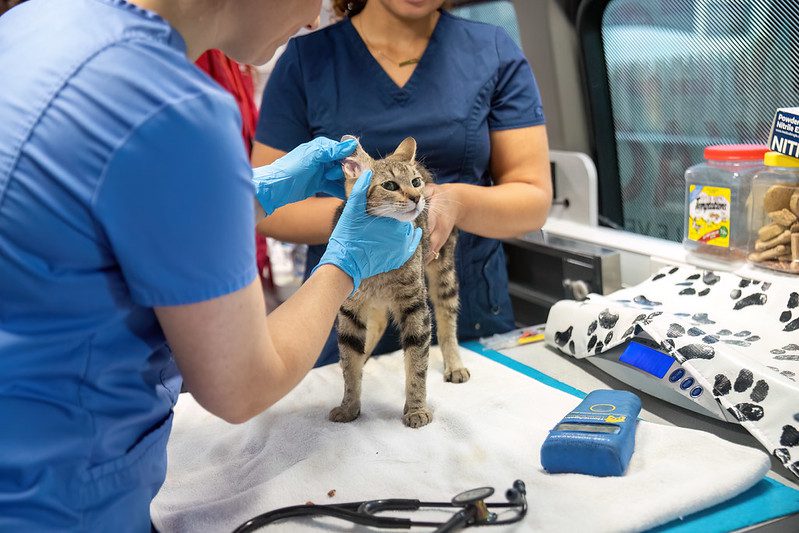
Veterinarian in blue scrubs examines a tabby cat on a table. Another veterinary professional assists.

A tabby cat receives a wellness exam on ARL’s Wellness Waggin’®

The ‘Quin House Impact Fund serves as a financial resource for local philanthropic organizations that are making positive contributions to the Greater Boston community. The Fund was launched in 2020, a year prior to the opening of The ‘Quin House, and is now the basis of the club’s philanthropy.

“We have been incredibly impressed by how these grant winners have served their communities and reinforced the importance of health and wellness throughout every facet of our lives. We have also been honored to have many of these organizations contribute to our programming at The ‘Quin House, by presenting indelible educational and volunteer opportunities for our members,” said Michelle Perez Vichot, Director of The ‘Quin House Impact Fund. “We look forward to providing funding to local Health and Wellness organizations for many years to come, thanks to the unending generosity of our members.”

The ’Quin House Impact Fund is hosted by The Boston Foundation and has now awarded more than $4.3M in grants to 150 Greater Boston nonprofits since 2020, including more than $1M in the past year. Focus areas include Arts and Culture, Discovery and Innovation, Equity and Opportunity, Health and Wellness, Youth and Education, and the environment.

All 16 Health and Wellness winners gathered for a celebration and networking event at The ‘Quin House on February 17, 2026, as a continued effort of The ‘Quin House to provide opportunities to the community organizations it supports.

More information about The ‘Quin House Impact Fund.