Category: Boston

I Found A Baby Wild Animal. What Do I Do Now?

ARL Provides Tips on What to Do When You See a Baby Animal on Their Own

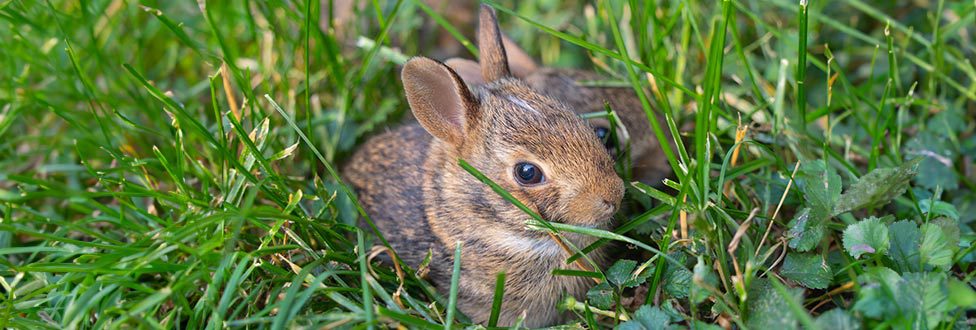
Spring has sprung. The sun is shining. Flowers are blooming. And baby wild animals are starting to wander from their nests.

This time of year, the Animal Rescue League of Boston (ARL) receives phone calls from concerned citizens who come across baby birds and other baby wild animals on the ground. As animals start to grow up, they will begin exploring outside of their nests and often have not learned to be afraid of humans yet. Baby birds may also find their ways out of their nests when they are starting to fly. Although this sight may seem alarming, remember that part of the process of learning to fly comes with being on the ground. It’s typically best to keep a safe distance and not to intervene.
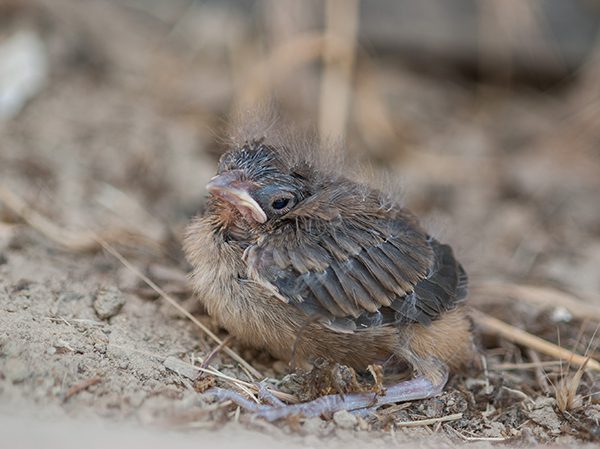
Closeup of a Brown California Towhee fledgling chick on the ground.

A fledgling is a young bird that has grown most of its feathers and recently left the nest for the first time. Fledglings are often seen hopping on the ground, while their parents remain nearby to feed and protect them.

Whenever you see a baby wild animal out of place, take a look around to see where they might have come from. If the animal is in immediate danger like the in the middle of the road, you can often encourage them to move to a safer place without displacing them from their habitat. In most circumstances, making sure that you or your pets cannot harm the animal and allowing them to reunite with their mother gives them the best chance to thrive.

If you find a baby wild animal and are concerned, they may be sick or injured, please review Tufts Wildlife Clinic’s “How to Tell If Baby Wildlife Is Truly Sick or Injured” resource before taking action.
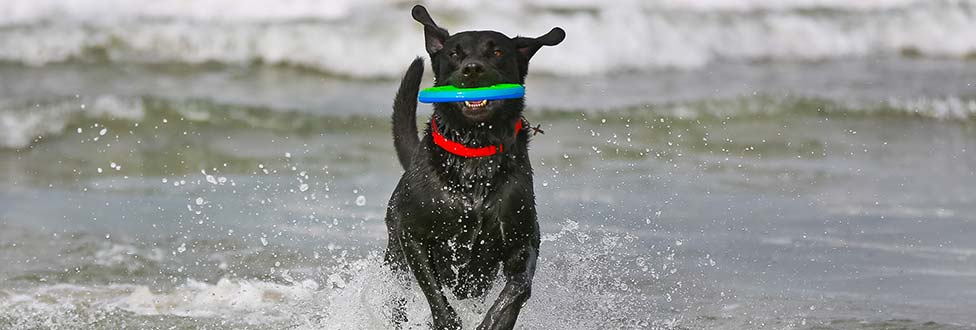
6 Water Safety Tips for Your Pup

Keep Your Dog Safe in and Around the Water This Summer

Swimming can be a fun way to help your dog cool off during warmer months, but water can also pose risks. Whether you’re heading to a beach, lake, pond, or a pool, a little preparation can help keep your pup safe.

1. Check Before You Go
Before heading out, confirm that your destination is dog friendly. Many beaches, lakes, ponds, and parks have rules around dogs, including restricted hours, leash requirements, seasonal bans, or limited access areas.

2. Know Your Dog’s Limits
Despite the term “doggy paddle,” not all dogs are natural swimmers. Breeds with short snouts or compact bodies, such as bulldogs and pugs, may struggle in the water, while some dogs may simply never feel comfortable swimming.

If your dog is new to swimming, ease them in slowly. Start in shallow water and help them build confidence before moving to deeper or open water.

3. Gear Up and Know the Exits
A properly fitted life vest can help keep your dog afloat and provide an added layer of protection. Make sure your dog always knows how to get out of the water. If there is only one set of stairs, a ramp, or a dock exit, regularly guide your pup back to it so they can find it quickly if needed.

4. Supervise and Take Breaks
Never leave your dog unsupervised near water. Even strong swimmers can become tired, overheated, or disoriented.

Call your dog in for regular breaks, keep them close to shore, and always have fresh water available.

5. Check for Hazards
Before letting your dog swim, look for currents, tides, posted warnings, red flags, sharp rocks, broken glass, fishing hooks, or other debris.

Be especially cautious around lakes and ponds. Blue-green algae can appear as blue-green or brownish scum on the surface of warm, stagnant water and can be deadly to pets. If the water looks suspicious, keep your dog out and do not let them drink from it.

At the beach, watch how much saltwater your dog may be swallowing. Too much saltwater can lead to salt poisoning, with signs including vomiting, diarrhea, excessive thirst, drooling, confusion, seizures, or collapse.

6. Rinse and Dry After Swimming
After every swim, rinse your dog to remove chlorine, salt, bacteria, or other irritants from their skin and coat.

Dry their ears carefully with a cotton ball, as trapped water can lead to painful ear infections. Signs may include scratching, redness, swelling, odor, discharge, balance issues, or hearing loss. Contact your veterinarian if you notice any concerning symptoms.

Keep Water Fun and Safe

With planning, supervision, and plenty of breaks, you can help your dog enjoy the water safely all summer long. Keep your pets healthy and safe this season with more safety tips.


A New Chapter for Animals in Boston’s South End

ARL celebrates a major construction milestone on its future state-of-the-art facility

The Animal Rescue League of Boston (ARL) marked a significant milestone in the construction of its newly renovated flagship location in Boston’s South End on Tuesday, April 28, 2026.

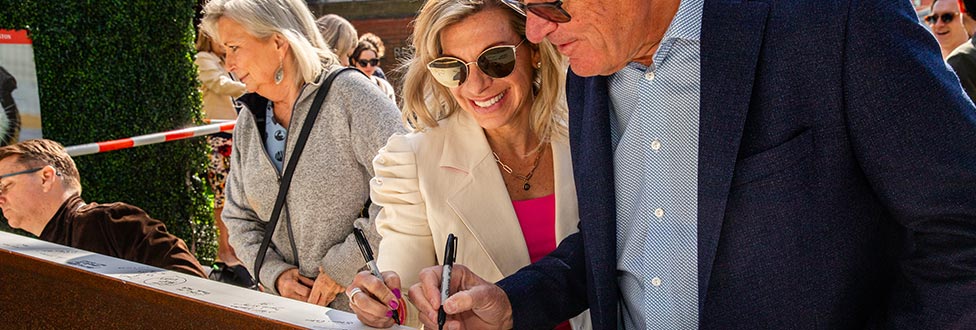
At the event, guests took part in a meaningful tradition, signing their names, along with the names of their pets, on the final steel beam that will be placed in the building. This beam will become a permanent part of ARL’s future home, symbolizing the community support behind the project. Once complete, the facility will be downtown Boston’s only Animal Care & Adoption Center.

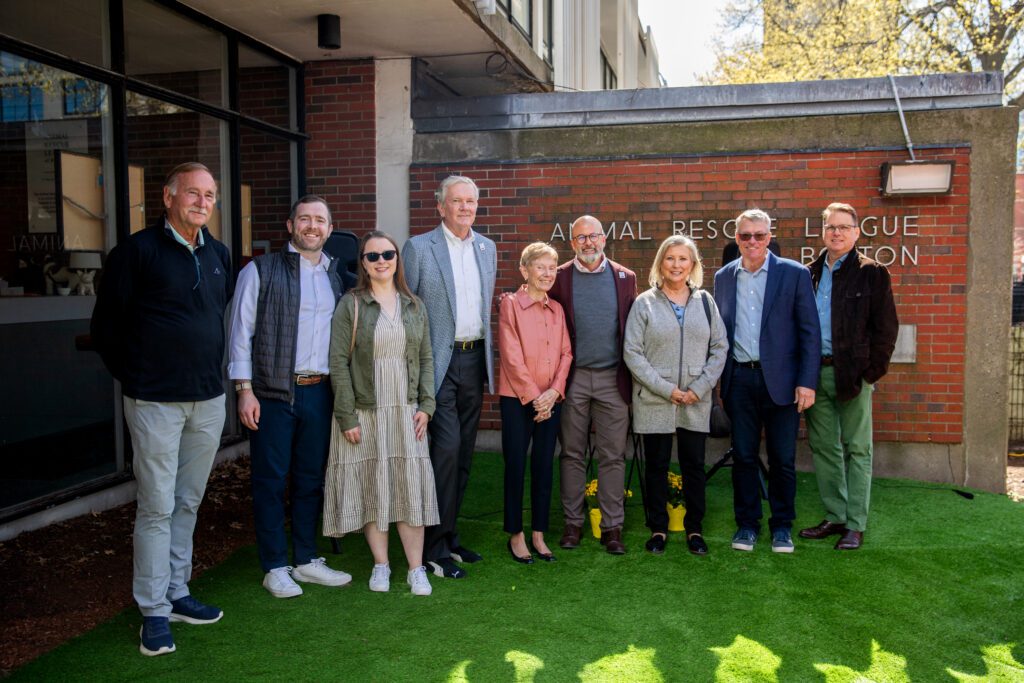
A group of nine people, smiling, stands on grass in front of a brick building with the sign "Animal Rescue League of Boston." The setting is sunny and cheerful.

L to R: Rod Macdonald, Kevin and Margo Mercer, Walter Kenyon, Dr. Cynthia Kettyle, Dr. Edward Schettino, Mary Nee, Dr. David McGrath, Malcolm McDonald

“This shelter will be more than walls and kennels. It will be a safe haven for animals in need, for people facing hardship, and for a community that believes in kindness,” said Dr. Edward Schettino, ARL’s President and CEO. “It will be a place where lives begin again.”

ARL’s Boston campus has long served as the heart of the organization. Originally built in 1956, the facility carries a rich history, but no longer meets the standard of care that today’s animals deserve. As ARL’s highest-volume location, it supports more animals and people than any other ARL site. Its central location and proximity to public transportation also make vital programs and services accessible to communities facing the greatest barriers to care.

Rendering of the new Animal Rescue League of Boston building

Rendering of the new Animal Rescue League of Boston building – Chandler Street entrance

Construction on the new Chandler Street facility began in June 2025, with phase one expected to be completed in spring 2027. The reimagined space will include an animal care and adoption center, a dog training center, an expanded shelter and veterinary hospital, and increased capacity for Boston Veterinary Care, ARL’s outpatient clinic, where 100% of proceeds are reinvested to support animals in need.

Learn more about the project.


March is Adopt A Rescued Guinea Pig Month!

There’s more than just cats and dogs at the Animal Rescue League of Boston

Many people assume that animal care & adoption centers only have cats and dogs, but here at the Animal Rescue League of Boston (ARL) we have a knowledgeable staff and are able to accommodate a variety of animals including, guinea pigs.

And they are just waiting for to find their perfect match!

If you’d like to adopt a guinea pig (or other small animal) from the ARL, make sure to bring a photo of the cage that your new pet will live in to make sure it’s a good size and shape for a guinea pig.

Just like any other pet, guinea pigs require special care and attention. Familiarizing yourself with their daily and long-term needs before adding one to your family is also an important step in the adoption process.

Guinea pigs can make great companions for both first-time or experienced pet owners, however they require a bit of patience and a gentle hand.

Once they are comfortable with you and their new surroundings, their personalities really shine through!

Guinea pig care tips (PDF)

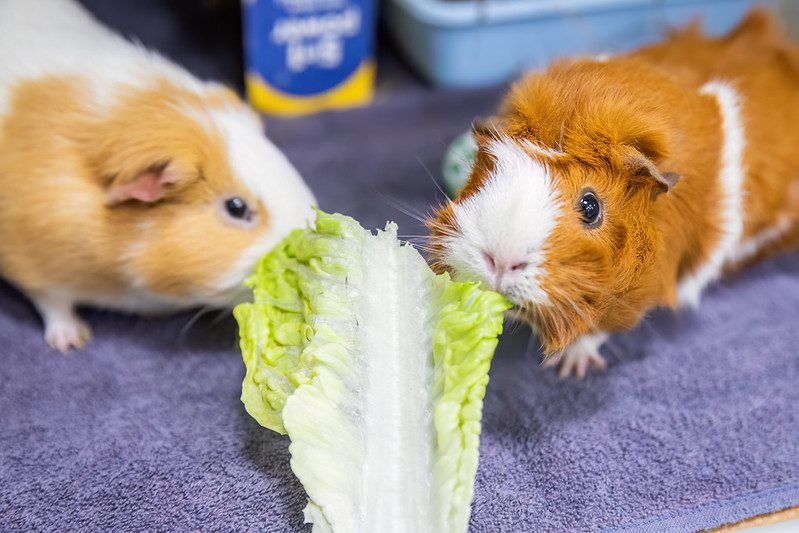
Two guinea pigs eating a piece of lettuce

Adopt a Rescue Guinea Pig Month Fun Fact

Guinea pigs communicate through a variety of behaviors and sounds. These small animals will make a squealing or whistling sound, for example, to communicate anticipation or excitement–usually before they eat! Meanwhile, a deep sounding purr indicates your guinea pig is comfortable and content.


Animal Rescue League of Boston Receives $5K Grant from The ‘Quin House Impact Fund

Funding will support the organization’s ongoing efforts to protect and care for animals across Greater Boston

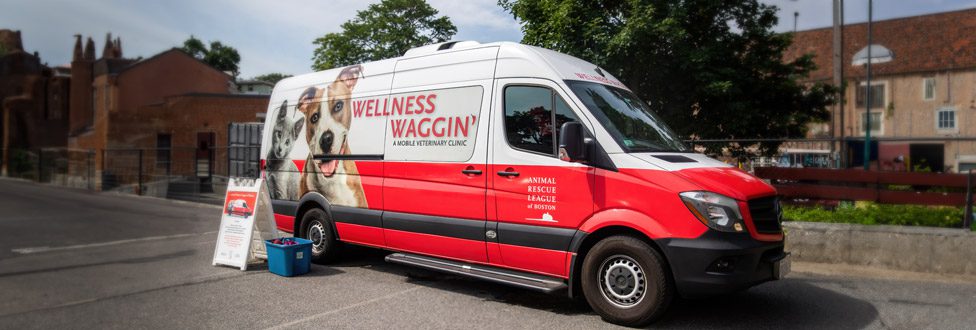
The Animal Rescue League of Boston (ARL) today announced it received a $5,000 grant from The ‘Quin House Impact Fund, marking one of the first grants from the fund made to an animal welfare organization. The grant will be used to support the ARL’s Wellness Waggin’®, which provides low-cost veterinary care throughout Boston’s neighborhoods. ARL is one of more than 150 Massachusetts nonprofits awarded grants this winter by The ‘Quin House Impact Fund.

“This grant will make a meaningful impact for local pet families, ensuring pets receive the care they need, regardless of a family’s financial resources,” said Dr. Edward Schettino, President & CEO of ARL. “ARL relies on the generosity and support of our whole community to keep animals and people together. We are grateful to The ‘Quin Impact Fund for their generosity and recognizing the important connection between the health of animals, people, and the community.”

ARL is an animal welfare organization with locations in Boston, Dedham, and Brewster, focused on keeping pets and animals together. For more than 125 years, ARL has served the Greater Boston community with pet care and animal advocacy at the local and state levels.

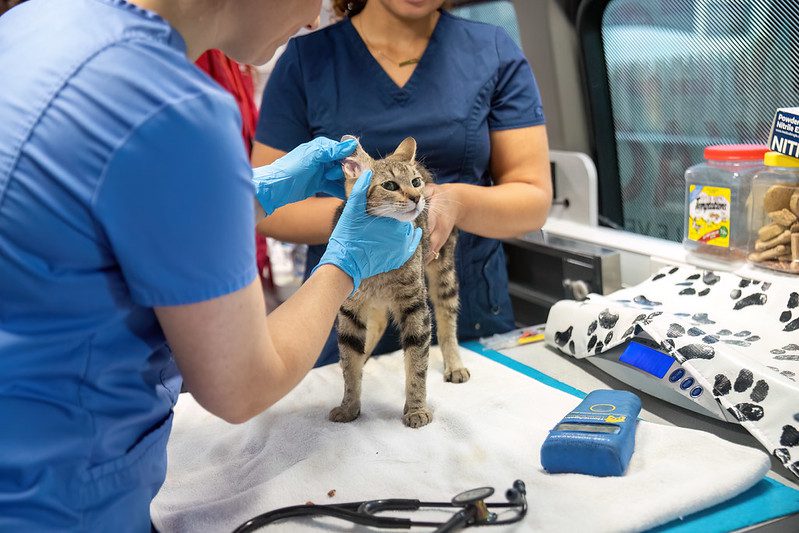
Veterinarian in blue scrubs examines a tabby cat on a table. Another veterinary professional assists.

A tabby cat receives a wellness exam on ARL’s Wellness Waggin’®

The ‘Quin House Impact Fund serves as a financial resource for local philanthropic organizations that are making positive contributions to the Greater Boston community. The Fund was launched in 2020, a year prior to the opening of The ‘Quin House, and is now the basis of the club’s philanthropy.

“We have been incredibly impressed by how these grant winners have served their communities and reinforced the importance of health and wellness throughout every facet of our lives. We have also been honored to have many of these organizations contribute to our programming at The ‘Quin House, by presenting indelible educational and volunteer opportunities for our members,” said Michelle Perez Vichot, Director of The ‘Quin House Impact Fund. “We look forward to providing funding to local Health and Wellness organizations for many years to come, thanks to the unending generosity of our members.”

The ’Quin House Impact Fund is hosted by The Boston Foundation and has now awarded more than $4.3M in grants to 150 Greater Boston nonprofits since 2020, including more than $1M in the past year. Focus areas include Arts and Culture, Discovery and Innovation, Equity and Opportunity, Health and Wellness, Youth and Education, and the environment.

All 16 Health and Wellness winners gathered for a celebration and networking event at The ‘Quin House on February 17, 2026, as a continued effort of The ‘Quin House to provide opportunities to the community organizations it supports.

More information about The ‘Quin House Impact Fund.


Protecting Animals from the Harsh Reality of the Rodeo

A letter of concern regarding the Boston Rodeo by Edward Schettino, DVM, PhD, CAWA, ARL’s President & CEO

Dear Reader,

This weekend, Boston will be host to its second rodeo-like event in just a few short months, when Professional Bull Riders’ “Unleash the Beast” tour comes to the TD Garden for the first time. While these events are marketed as entertainment that evokes images of the Old West and classic movies, the reality behind the scenes is far different. Despite claims of high standards of care, many rodeo activities—especially bull riding—prioritize profit over the basic welfare of animals.

Many people are surprised to learn that rodeos are specifically exempt from the Federal Animal Welfare Act. State laws around cruelty to animals apply, but criminal penalties for animal cruelty do not prevent much of the harm that these animals endure. Many rodeo associations have standards and rules, but they are self-regulating with no independent oversight.

Bull riding is one of the most harmful activities for both animals and humans. A rider’s goal is to stay on a bucking bull for eight seconds, but bucking is a fight-or-flight response by the bull to protect itself from predators and escape.

In the chute, a flank strap is tightened around the bull’s sensitive abdomen. When the gate opens, the bull kicks and spins in a desperate attempt to escape the strap and the agitation of the rider, lights, and noise. Scoring rewards this distress — more points are given for bulls that kick harder or react more violently. Invoking this response is exploiting the bull’s fear for entertainment.

Bull riding sees tragic injuries to both bulls and rider. We’ve seen instances where bulls suffer injuries so severe that euthanasia is the only humane option.

The danger isn’t confined to the arena. In recent years, bulls have escaped numerous events, including right here in Massachusetts when eight bulls ran through a busy neighborhood after a fence failure; in Oregon when a bull charged into a crowd and injured five; and in Colorado when a bull escaped and threatened public safety over the course of four days before it was found.

Massachusetts is already a leader in protecting animals in entertainment, having recently banned exotic traveling animal acts. It’s time for Boston to take the next step.

We must join other forward-thinking cities and prohibit the use of rodeo implements—like flank straps and electric prods—designed to induce pain, fear, and suffering. Our entertainment should never come at the expense of an animal’s safety or the public’s well-being.

Sincerely,

a signature in blue ink representing Edward Schettino

Edward Schettino, DVM, PhD, CAWA
President & CEO


ARL Offers Tips to Keep Pets Safe During the Holidays

The holiday season is upon us, and the Animal Rescue League of Boston (ARL) is reminding pet owners of some things to keep in mind to help keep our pets safe and healthy as we celebrate with friends, family, food and festivities!

Plants and Decorations

Pet owners should be aware of the holiday plants being brought into the home – mistletoe, holly, some types of lilies can cause a host of issues if they are ingested and additionally, poinsettias, while traditional, can also be toxic. Stick to artificial plant decorations, or opt for a pet-friendly bouquet.

If you have a Christmas tree, make sure it’s anchored so it doesn’t tip over and injure your pet, and also be sure to keep pets from drinking the tree water which could cause gastrointestinal discomfort.

For decorations, with its sparkle, tinsel can be mistaken for a toy, but if ingested can cause vomiting, dehydration or even a blockage in the digestive tract, so in short, if you have pets, leave the tinsel in the box!

Also, be sure to never leave candles unattended, and keep wires, batteries and ornaments out of reach of your pet’s paws.

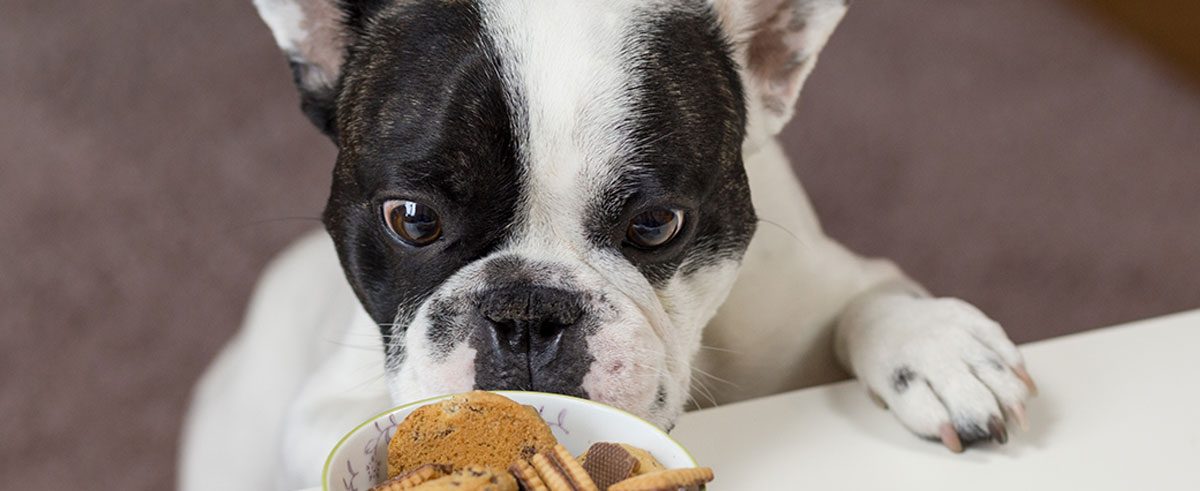
small dog sniffing sweets in a bowl

Foods to Avoid

We all know that chocolate is a no-no, but there are also potential dangers hidden in many of the side dishes and snacks we enjoy during the holidays.

These include onions, garlic, grapes and raisins, nuts, milk and dairy, and xylitol, which is a sweetener found in many products including candy, gum and baked goods, can all be toxic to our pets.

Do not give your dog bones, either cooked or raw! Bones can splinter, causing intestinal obstructions and even fracture teeth.

Be mindful while cooking – consider keeping pets out of the kitchen and remind your guests not to feed your pets any scraps!

Should your pet ingest any items that may be toxic, contact the ASPCA Animal Poison Control Center at (888) 426-4435 immediately.

white cat laying on bookshelf

Holiday Gatherings

If your hosting family or friends for the holidays, it could be a stimulus overload for your pet, causing anxiety and overexcitement. And in turn unpleasant behaviors may surface so be sure to set up your pet for success before your guests arrive.

Give your pets get plenty of attention and exercise prior to guests arriving because we all know tired pets are more apt to be better behaved pets!

With guests constantly coming and going, it’s best to remind visitors to be mindful when entering and exiting your home to ensure your pet does not make a great escape in all of the excitement – if they are overanxious they may make a dash for the door!

Additionally, provide your pet with a safe space away from your guests should they need an escape from the excitement.

The space should have fresh water, food, and items to keep them occupied including toys, or perhaps a food puzzle and bedding so they can be comfortable.

With a bit of preparation, you can help ensure a safe, happy, and worry-free holiday season for both you and your pets.


ARL Hosts Adoption Event To Celebrate Hill’s Milestone

Waived Adoption Fees for Boston Pets Ages 1+ Through December 14

ARL is teaming up with Hill’s Pet Nutrition (Hill’s) to offer WAIVED adoption fees for animals at ARL’s Boston Animal Care & Adoption Center one year and older through December 14th! Adopters will also receive a New Pet Parent Kit from Hill’s, which includes a starter bag of Hill’s Science Diet, a coupon and post-adoption tips.

The event is part of Hill’s “Sweet 16 Million Adoptions Celebration,” which honors the milestone of 16 million pet adoptions supported by the Hill’s Food, Shelter & Love program since its inception in 2002.

“We are thrilled to join Hill’s in this national celebration by offering waived adoption fees at our Boston location. This partnership ensures that more deserving animals like Fiona find the comfort of a home this holiday season.” said ARL President and CEO Dr. Edward Schettino.

The Hill’s Food, Shelter & Love program provides discounted, science-led nutrition to over 1,000 North American animal shelters every day, including for the dogs and cats at ARL. As a proud partner of the program, ARL is excited to join shelters nationwide in celebrating this achievement and help deserving shelter pets in Boston find homes this holiday season. During the adoption campaign, Hill’s will contribute up to $200,000 to offset adoption fees at select Food, Shelter & Love partner locations in the United States and Canada.

ARL’s Animal Care & Adoption Centers in Boston, Dedham, and Cape Cod (Brewster) are open Wednesday through Sunday from 1pm to 6pm.

View all of ARL’s adoptable animals looking for a home for the holidays!


ARL Receives Largest-Ever Donation For New Boston Shelter

The Animal Rescue League of Boston (ARL) received a $2 million gift from Arthur and Paula Rabe on November 13, 2025.

The contribution will go towards the ARL’s capital campaign to construct a new three-story, 35,000 square foot $48 million facility in the South End.

“Our Boston shelter is the heart and soul of ARL, but it is outdated and no longer meets the standard of care that animals deserve and that we can provide,” said Dr. Edward Schettino, ARL President & CEO.

A revamped facility will better meet the needs of local animals, including transports from across the country. ARL has seen an increased demand for animal services in the last five years due to the ongoing housing crisis, food insecurity and high cost of veterinary care. ARL has had a 100% increase in the number of pet meals provided to owners facing barriers, and a 104% increase in low-cost wellness exams for pets in the community.

ARL began construction on the new facility over the summer after announcing the project in October 2024. ARL is working with Animal Arts, a Colorado-based architecture firm dedicated to creating animal spaces for animal welfare organizations and veterinary hospitals, and Boston-based architect Jonathan Garland with JGE to design the building’s exterior.

“This new building will provide an accessible, affordable center so people who desire an animal can share their lives with one,” said donor Arthur Rabe.

The Rabe family has contributed to the ARL Boston since they adopted their cat Jill in 2007. They reside with their son Logan and their other cat Paul in Chestnut Hill.


5 Thanksgiving Foods Your Dog Should Avoid

Keep your pup happy and healthy this holiday season

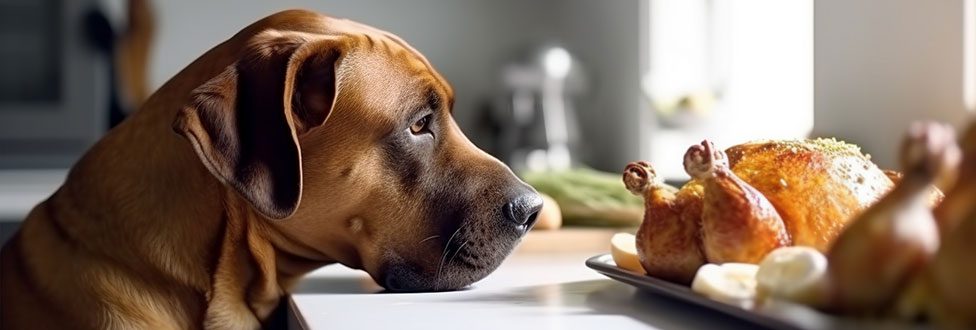
Thanksgiving is all about gratitude, good food, and great company – including our pets! While it’s tempting to slip your dog a little taste from your plate, some holiday favorites can actually cause serious harm.

Before your pup partakes in Thanksgiving the feast, here are five foods to keep off their menu:

    1. Turkey Bones
      They might seem like a classic treat, but turkey bones can easily splinter and get lodged in your dog’s throat or digestive tract. This can lead to choking, internal injuries, or even surgery. So skip the bones and opt for a dog-safe chew instead.
    2. Fat Trimmings
      Rich, fatty foods are tough for dogs to digest and can trigger pancreatitis, a painful and potentially life-threatening condition. Watch for signs like vomiting, abdominal pain, or lethargy, and keep the greasy leftovers far from your pup’s bowl.
    3. Raw Dough and Cake Batter
      Unbaked dough can potentially rise inside your dog’s stomach, causing bloating and severe discomfort. And if the batter contains raw eggs, there’s also a risk of salmonella. Let your pup “help” in the kitchen by supervising, not taste-testing.
    4. Nutmeg
      This seasonal spice adds warmth to pies and lattes, but it’s toxic to dogs. Even small amounts can cause tremors, seizures, and vomiting. When baking, keep spiced treats safely out of reach.
    5. Raisins and Grapes
      Even tiny amounts of raisins or grapes can cause kidney failure in dogs. Since the reason for their toxicity is still unknown, it’s safest to steer clear altogether.

There are safer ways to include your dog in the celebration!

The best way for your pet to partake in the holiday cheer? Stick with traditional treats that are safe for dogs and cats! Food puzzles and interactive toys like a Kong filled with plain yogurt, peanut butter and 100% real pumpkin are a great way to keep your canine entertained and feeling satisfied all holiday long.

Bonus tip: Keep your vet’s emergency number handy. Should your pet become ill, contact your pet’s veterinarian or the local animal hospital’s number! A quick call to either of them can give you life-saving advice or even help you avoid a trip to the ER.