
Category: News

August is Microchip Month at Boston Veterinary Care!

Boston Veterinary Care (BVC) answers your Microchip FAQs

Did you know… that microchipping your pet DOUBLES their chances of finding their way home?

August 15 is National Check the Chip Day, and for good reason: During the Summer months, pets will be spending more time outside—or may find themselves extra eager to slip out the door into the sunshine. In the event that you and your pet ever become separated, you’ll want to make sure that you are reunited as quickly and easily as possible.

That’s where a microchip comes in handy! Once microchipped, your pet can be identified throughout its life with a one-of-a-kind ID number. For this reason, microchipping has become extremely popular for pet owners, and scanning pets for microchips has become standard practice in veterinary offices, animal hospitals, and animal shelters.

Q: What is a microchip?

A: A microchip is a tiny computer chip, about the size of a grain of rice, programmed with an identification number that is unique to your pet. It is non-toxic, non-allergenic, and will last the life of your pet with no maintenance required. The microchip is injected with a needle beneath the skin between the shoulder blades and is anchored in place as a thin layer of connective tissue forms around it.

Q: Will the implantation of the microchip cause my pet pain?

A: Your pet may feel a slight “pinch” as they would with any other needle injection. Once the microchip in place, however, it does not cause pain and cannot be felt by touch. Many pet owners opt to microchip their pet during routine exams, spay or neutering, or dental cleanings; it’s one less trip to the vet, and your furry companion will probably be too distracted to notice that the injection is happening.

size of a pet microchip

Ever wonder what a pet microchip looks like? It’s as small as a grain of rice!

Q: Can all cats and dogs receive a microchip, and at what age?

A: Absolutely! A microchip is recommended for all cats and dogs (even toy breeds) and can be implanted as early as 6-8 weeks of age.

Q: How does microchip identification work?

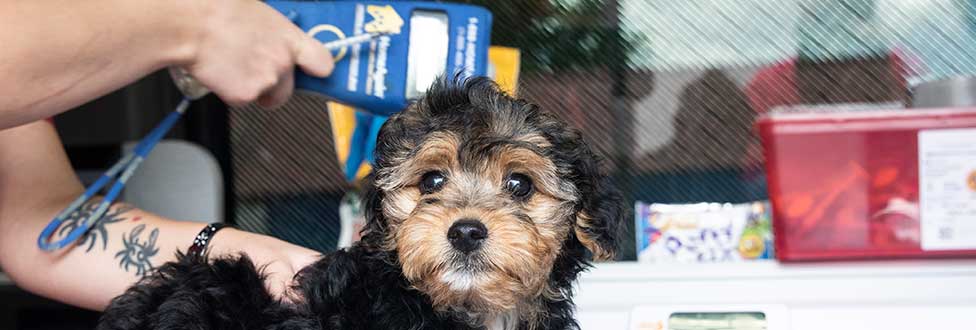
A: A special non-intrusive scanner is used to send a signal to the microchip to read the identification number. The person reading the scanner can search a national microchip registry to find out the pet owner’s information.

Q: Why should I microchip my pet; isn’t a collar enough?

A: In short, things happen. While a collar with ID tags is an excellent start, there is always a chance that they can be removed or fall off.  Think of a microchip as a permanent ID tag for your pet—and a fail-safe way to verify that you’re their owner.

Microchips have reunited thousands of pets with their owners, even ones who have been missing for years or traveled many miles away! If your pet were to go astray, any veterinarian’s office, animal hospital, or animal shelter would be able to scan your pet’s microchip and contact you immediately. Be sure to keep your contact information current in the national microchip registry database to ensure an easy reunion with your pet – some microchip companies even let you add a backup contact.

Q: My microchipped pet is missing. What do I do?

A: The first step is to contact your pet’s microchip manufacturer (e.g, PetLink, Home Again) and provide them with your pet’s unique microchip number. If your pet has already been located, they’ll be able to tell you where to pick up your pet. If your pet’s whereabouts have not yet been located, it means that their microchip has not yet been scanned by a local animal shelter, animal hospital, or veterinarian. The microchip manufacturer will put an alert in the system so that when your pet’s microchip IS scanned they can contact you right away.

Learn more about how to keep your pet safe this season.


Animal Rescue League of Boston Partners with NBCUniversal and Hill’s Pet Nutrition for 2026 Clear the Shelters Campaign

The Animal Rescue League of Boston (ARL) is proud to once again participate in NBCUniversal’s annual Clear the Shelters campaign, in partnership with Hill’s Pet Nutrition, from August 1-31. The nationwide initiative celebrates the life-changing impact of pet adoption and helps connect more animals with loving families.

Clear the Shelters logo

As part of the campaign, adoption fees for small animals such as rabbits, guinea pigs, gerbils, and parakeets will be waived, while adoption fees for large adult dogs (one year and older weighing more than 40 pounds) will be reduced by $200 at all three ARL Animal Care & Adoption Centers.

While every animal deserves a loving home, some pets simply wait a little longer to find the right family. This is especially true of large adult dogs, as well as smaller companion animals like rabbits, guinea pigs, gerbils, and parakeets. During Clear the Shelters, ARL hopes to shine a spotlight on these wonderful animals and encourage more people to discover just how rewarding it can be to welcome these deserving animals into their homes.

Adult dogs often come with established personalities, making it easier to find a companion that fits your lifestyle. Many have already mastered basic manners and are ready to settle into a loving home. Whether you’re looking for a hiking buddy, a walking partner, or a couch companion, an adult dog could be the perfect fit. Senior dogs have so much love to give and often form incredibly strong bonds with their families, proving that it’s never too late to find your best friend.

Small companion animals also make incredible pets. Rabbits, guinea pigs, gerbils, and parakeets each have unique personalities and can bring years of companionship to the right home. Despite this, they are sometimes overlooked by prospective adopters, making campaigns like Clear the Shelters an important opportunity to highlight everything they have to offer.

If you’ve been considering adoption, we invite you to visit one of ARL’s Animal Care & Adoption Centers in Boston, Brewster, or Dedham to meet the animals waiting for their next chapter.

ARL is grateful to NBCUniversal and Hill’s Pet Nutrition for their continued partnership and commitment to helping more shelter animals find loving homes through the Clear the Shelters campaign.


ARL President & CEO Dr. Edward Schettino Featured in MassVet News: Expanding Access to Veterinary Care Across Greater Boston

The Animal Rescue League of Boston (ARL) is proud to share that President & CEO, Edward Schettino, DVM, PhD, CAWA, was featured in the June issue of MassVet News, the official publication of the Massachusetts Veterinary Medical Association (MVMA).

In the article, “Meeting Pets Where They Are: How You Can Help Close the Veterinary Care Gap in Greater Boston,” Dr. Schettino explores the growing challenges many pet owners face in accessing affordable veterinary care and highlights how ARL’s innovative community veterinary programs are helping remove barriers that can put the human-animal bond at risk.

Meeting Communities Where They Are

For many families, pets are cherished members of the family. However, rising living costs and limited access to affordable veterinary services have made it increasingly difficult for some pet owners to provide the care their animals need. These challenges are particularly evident in underserved communities where transportation, financial constraints, language barriers, and limited veterinary resources can prevent families from seeking care before medical issues become emergencies.

As Dr. Schettino explains in the article, ARL recognized these challenges nearly a decade ago and shifted its focus beyond traditional shelter services by investing in preventative, community-based programs designed to keep pets healthy and in their homes.

A Community-Centered Approach

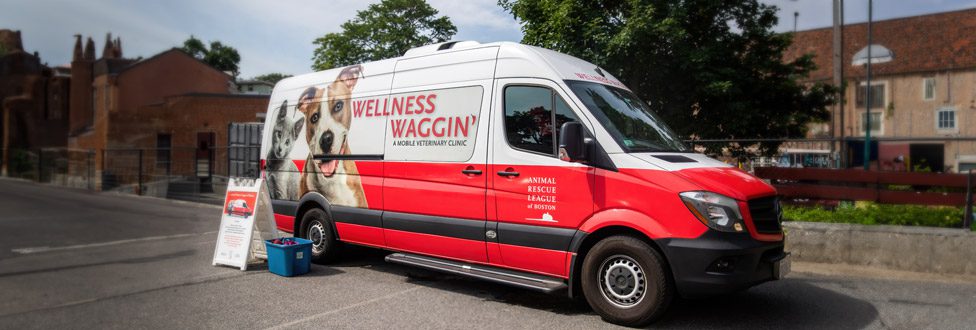
The article highlights the evolution of ARL’s community veterinary initiatives, beginning with the opening of a low-cost pet wellness clinic in Dorchester in 2018 and expanding with the launch of the Wellness Waggin’® mobile veterinary clinic in 2019.

Today, the Wellness Waggin’ brings affordable veterinary care directly into neighborhoods throughout Greater Boston, helping families overcome many of the barriers that can prevent them from accessing routine care. By partnering with trusted community organizations, ARL has created a model that supports both people and pets while strengthening communities.

Making a Measurable Difference

Dr. Schettino also shares the significant impact these programs have had since their launch. Together, ARL’s community veterinary initiatives have provided tens of thousands of wellness appointments, administered thousands of vaccinations, connected families with affordable spay/neuter services, distributed pet food to those in need, and contributed to a meaningful reduction in owner surrenders in the communities served. These results reinforce a simple but powerful idea: when veterinary care is accessible and affordable, families are better able to keep the pets they love.

An Invitation to the Veterinary Community

In his feature, Dr. Schettino also encourages fellow veterinarians to become part of the solution by volunteering with ARL’s Wellness Waggin’. Volunteer veterinarians play a vital role in expanding access to care for pets who might otherwise go without treatment while helping strengthen the bond between people and their animals. As demand for affordable veterinary care continues to grow, partnerships with the veterinary community remain essential to expanding these lifesaving services.

Get Involved

To learn how you can get involved with the Wellness Waggin’ and ARL’s other community programs, reach out to Sam Fincke at sfincke@arlboston.org. You can also learn more about ARL’s services including community programs, temporary pet housing, pet food and supplies, and low-cost spay/neuter services.


Keeping Pets Safe This July 4th

Why Fireworks and Furry Friends Don’t Mix

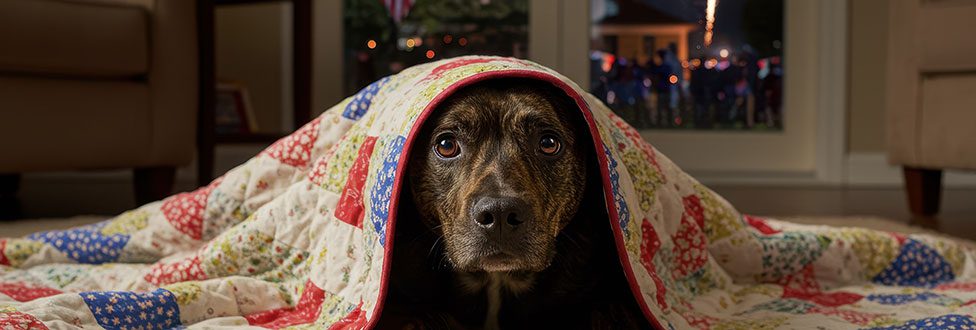
Fireworks and July 4th go hand-in-hand; however, they can cause stress and anxiety in our pets.

Fireworks are a beloved July 4th tradition, but they can cause significant stress and anxiety for pets.

Many dogs already struggle during thunderstorms, and while both storms and fireworks are loud, there’s a key difference:
Dogs can sense an approaching storm through changes in barometric pressure. Fireworks, on the other hand, are sudden, unpredictable, and startling.

“When storms happen, the barometric pressure will tell them that it’s coming; not with fireworks—and it’s so detrimental,” says Laney Nee, ARL’s Shelter Behavior and Enrichment Manager.

Fireworks can lead to anxiety and long-term behavioral issues in pets.
Common signs of distress include:

  • Shaking or trembling
  • Drooling
  • Barking or howling
  • Pacing or restlessness
  • Hiding or trying to escape
  • Loss of bladder or bowel control

“Dogs only communicate through their voices, mouths, paws, and body language,” Nee explains. “When they’re exhibiting signs of fear and we interact with them, there’s a risk they could redirect that fear into aggressive behavior.”

The loud blasts and flashing lights can also cause pets to panic and run off. Shelters across the country often see a spike in lost pet reports around July 4th.

How to Help Keep Your Pet Safe

Here are tips to protect your furry friends this holiday:

  1. ID First: Make sure your pet is wearing a collar with up-to-date ID tags. If they’re microchipped, confirm your contact info is current—just in case they get lost.
  2. Create a Safe Space: Set them up in a quiet room with their favorite toys. Turn on a TV, soft music, or a white noise machine to help mask outside noises.
  3. Reduce Light Exposure: If your pet is sensitive to the bright flashes, place them in a room without windows. Keep in mind: frightened animals may bolt when a door opens, so take precautions.
  4. Consult Your Vet: If your pet suffers from extreme anxiety, talk to your veterinarian about possible medications or calming supplements.
  5. Burn Off Energy: Take dogs for a long walk or play session before fireworks begin. Exercise can help reduce stress and encourage relaxation.
  6. Double-Check Exits: Make sure doors, windows, and backyard gates are securely closed.
  7. Keep Pets Home: Even pets that seem comfortable in crowds can become frightened by fireworks. Leave pets at home during celebrations and avoid bringing them to fireworks displays, parades, or other loud events.

What to Do If Your Pet Goes Missing

  1. Contact Animal Control: If your pet escapes, contact your local animal control with their information immediately.
  2. Notify Local Shelters: Reach out to nearby shelters to report your missing pet and provide a recent photo.
  3. Check Microchip Information: If your pet is microchipped, make sure your contact information is up to date and notify the microchipping company that your pet is missing.
  4. Spread the Word: Post a recent photo and details for your pet on local lost-and-found pet pages, neighborhood social media groups, and community bulletin boards.
  5. Search the Area: Walk through your neighborhood and check nearby yards, parks, and hiding spots. Bring treats, a favorite toy, or other familiar items to help attract your pet.

Cats and Small Animals

While dogs are often the most visibly affected, cats and other small pets can also experience stress from fireworks. Provide them with a quiet, secure area where they can retreat and feel safe.

ARL’s FREE Pet Behavior Helpline

ARL’s Pet Behavior Helpline is a FREE service, and can answer basic behavioral questions about your pet, such as excessive barking, crate training, house soiling, or if you are looking for ways to stave off your pet’s boredom.

If you have questions, please call the Pet Behavior Helpline at (617) 226-5666 or via email behaviorhelpline@arlboston.org, and an ARL representative will get back to you within 48 hours.


When the Temperatures Rise It’s Too Hot for Spot®

As summer approaches, the Animal Rescue League of Boston (ARL) is once again launching its annual Too Hot for Spot® safety campaign to remind pet owners about the potentially deadly dangers of leaving animals inside parked vehicles.

During the warmer months, pets may be left in cars while their owners visit beaches, bike trails, grocery stores, banks, post offices, and other everyday destinations. It can be tempting to think, “I’ll only be gone for a few minutes,” but even a brief errand can take longer than expected, and a vehicle’s temperature can rise dangerously fast.

Even when the outside temperature is below 80 degrees and the windows are cracked, the inside of a parked vehicle can quickly heat to well over 100 degrees. Because animals cannot cool their bodies as efficiently as humans, they are especially vulnerable to heat stroke. Symptoms can develop rapidly and may include excessive panting, drooling, weakness, vomiting, confusion, collapse, or seizures.

Leaving an animal confined inside a vehicle during extreme heat or cold may also violate Massachusetts law when the conditions threaten the animal’s health or safety.

ARL created the annual Too Hot for Spot® campaign to raise awareness of these preventable dangers. Sadly, animals continue to suffer—and sometimes die—each year after being left inside hot vehicles.

When temperatures rise, the safest choice is simple: Leave your pet at home. Keep them in a cool, temperature-controlled space with plenty of fresh water. Outdoor walks and exercise should be limited to the cooler morning and evening hours, and hot pavement should always be avoided.

A quick stop is never worth risking your pet’s life.

Learn more about summer pet safety.

What To Do If You See a Pet in a Hot Car

If you see an animal alone inside a parked vehicle on a warm day, don’t wait to act. Note the vehicle’s make, model, color, and license plate, then immediately contact your local police or animal control. If the animal appears to be in distress – excessive panting, drooling, or lethargy – call 911 right away. You can also alert nearby businesses, who may be able to make a public address announcement to help locate the owner.

More Summer Pet Safety Resources

Summer can bring additional risks for pets, from swimming and boating activities to sudden thunderstorms. Explore these additional safety tips to help keep your pet comfortable and protected throughout the season:


Lobby Day 2026

On Wednesday, June 10, ARL joined with other animal protection organizations to host “Lobby Day for Animals” at the Massachusetts State House. We were joined by over 100 advocates who came to Beacon Hill to make their voices heard.

Every session, ARL undertakes an ambitious legislative agenda. In March of this year, the Senate took up a number of these bills in one package, dubbed the “PETS Act.” This legislation would protect animals across Massachusetts by: banning the retail sale of pets, prohibiting homeowners and renters’ insurance from discriminating on the basis of dog breed, ending the use of animal test methods for cosmetics and household goods, enhancing enforcement for animals in cruel conditions, and increasing funding for spay and neuter. The PETS Act passed the Senate unanimously and is now awaiting action in the House. Advocates met with their legislators to express their support for these measures and for keeping Massachusetts a leader in animal protection.

We also took the time on Lobby Day to highlight animal advocates who have gone above and beyond. It can sometimes take years of work for legislation to be signed into law and success relies on the determination of advocates.

Want to join these advocates in speaking out for animals? Learn more about ARL’s Legislative Agenda and how to contact your Representative today.


The Animal Rescue League of Boston Awarded $75,000 Cummings Foundation Grant

The Funds Will Help Support Our Mission of Keeping Pets and People Together

We are honored to announce that the Animal Rescue League of Boston has been awarded a $75,000 grant over three years through the Cummings Foundation’s competitive annual grant program. Selected from a record 959 applicants, only 150 organizations were selected, and ARL is proud to be the only animal welfare organization among them.

This recognition means a great deal to our team. Every day, our staff and volunteers show up for the animals and families who need them most, providing emergency pet housing, pet food and supplies, veterinary care, and so much more. Through innovative, award-winning programs, ARL addresses the root causes of the challenges facing animals and the families who love them. This grant will strengthen our commitment to keeping pets and people together by helping animals heal and thrive, preventing pet surrender, and protecting animals from harm across Greater Boston.

A happy dog stands on grass, next to a blue sign that reads, "We got a Cummings Grant!" The scene conveys excitement and celebration.

Selected from a record 959 applicants, only 150 organizations were selected for the Cummings Foundation Grant, and ARL is proud to be the only animal welfare organization among them.

This year, the Foundation increased its annual grant program from $30 million to $35 million and made a significant shift to fully unrestricted funding, giving organizations like ARL the flexibility to direct resources where they are needed most.

With no government funding, grants like this one are what keep ARL’s mission alive and thriving. The recognition from Cummings Foundation is a meaningful reflection of the work ARL has done and continues to do across the Greater Boston area.


I Found A Baby Wild Animal. What Do I Do Now?

ARL Provides Tips on What to Do When You See a Baby Animal on Their Own

Spring has sprung. The sun is shining. Flowers are blooming. And baby wild animals are starting to wander from their nests.

This time of year, the Animal Rescue League of Boston (ARL) receives phone calls from concerned citizens who come across baby birds and other baby wild animals on the ground. As animals start to grow up, they will begin exploring outside of their nests and often have not learned to be afraid of humans yet. Baby birds may also find their ways out of their nests when they are starting to fly. Although this sight may seem alarming, remember that part of the process of learning to fly comes with being on the ground. It’s typically best to keep a safe distance and not to intervene.

Closeup of a Brown California Towhee fledgling chick on the ground.

A fledgling is a young bird that has grown most of its feathers and recently left the nest for the first time. Fledglings are often seen hopping on the ground, while their parents remain nearby to feed and protect them.

Whenever you see a baby wild animal out of place, take a look around to see where they might have come from. If the animal is in immediate danger like the in the middle of the road, you can often encourage them to move to a safer place without displacing them from their habitat. In most circumstances, making sure that you or your pets cannot harm the animal and allowing them to reunite with their mother gives them the best chance to thrive.

If you find a baby wild animal and are concerned, they may be sick or injured, please review Tufts Wildlife Clinic’s “How to Tell If Baby Wildlife Is Truly Sick or Injured” resource before taking action.


6 Water Safety Tips for Your Pup

Keep Your Dog Safe in and Around the Water This Summer

Swimming can be a fun way to help your dog cool off during warmer months, but water can also pose risks. Whether you’re heading to a beach, lake, pond, or a pool, a little preparation can help keep your pup safe.

1. Check Before You Go
Before heading out, confirm that your destination is dog friendly. Many beaches, lakes, ponds, and parks have rules around dogs, including restricted hours, leash requirements, seasonal bans, or limited access areas.

2. Know Your Dog’s Limits
Despite the term “doggy paddle,” not all dogs are natural swimmers. Breeds with short snouts or compact bodies, such as bulldogs and pugs, may struggle in the water, while some dogs may simply never feel comfortable swimming.

If your dog is new to swimming, ease them in slowly. Start in shallow water and help them build confidence before moving to deeper or open water.

3. Gear Up and Know the Exits
A properly fitted life vest can help keep your dog afloat and provide an added layer of protection. Make sure your dog always knows how to get out of the water. If there is only one set of stairs, a ramp, or a dock exit, regularly guide your pup back to it so they can find it quickly if needed.

4. Supervise and Take Breaks
Never leave your dog unsupervised near water. Even strong swimmers can become tired, overheated, or disoriented.

Call your dog in for regular breaks, keep them close to shore, and always have fresh water available.

5. Check for Hazards
Before letting your dog swim, look for currents, tides, posted warnings, red flags, sharp rocks, broken glass, fishing hooks, or other debris.

Be especially cautious around lakes and ponds. Blue-green algae can appear as blue-green or brownish scum on the surface of warm, stagnant water and can be deadly to pets. If the water looks suspicious, keep your dog out and do not let them drink from it.

At the beach, watch how much saltwater your dog may be swallowing. Too much saltwater can lead to salt poisoning, with signs including vomiting, diarrhea, excessive thirst, drooling, confusion, seizures, or collapse.

6. Rinse and Dry After Swimming
After every swim, rinse your dog to remove chlorine, salt, bacteria, or other irritants from their skin and coat.

Dry their ears carefully with a cotton ball, as trapped water can lead to painful ear infections. Signs may include scratching, redness, swelling, odor, discharge, balance issues, or hearing loss. Contact your veterinarian if you notice any concerning symptoms.

Keep Water Fun and Safe

With planning, supervision, and plenty of breaks, you can help your dog enjoy the water safely all summer long. Keep your pets healthy and safe this season with more safety tips.


A New Chapter for Animals in Boston’s South End

ARL celebrates a major construction milestone on its future state-of-the-art facility

The Animal Rescue League of Boston (ARL) marked a significant milestone in the construction of its newly renovated flagship location in Boston’s South End on Tuesday, April 28, 2026.

At the event, guests took part in a meaningful tradition, signing their names, along with the names of their pets, on the final steel beam that will be placed in the building. This beam will become a permanent part of ARL’s future home, symbolizing the community support behind the project. Once complete, the facility will be downtown Boston’s only Animal Care & Adoption Center.

A group of nine people, smiling, stands on grass in front of a brick building with the sign "Animal Rescue League of Boston." The setting is sunny and cheerful.

L to R: Rod Macdonald, Kevin and Margo Mercer, Walter Kenyon, Dr. Cynthia Kettyle, Dr. Edward Schettino, Mary Nee, Dr. David McGrath, Malcolm McDonald

“This shelter will be more than walls and kennels. It will be a safe haven for animals in need, for people facing hardship, and for a community that believes in kindness,” said Dr. Edward Schettino, ARL’s President and CEO. “It will be a place where lives begin again.”


ARL’s Boston campus has long served as the heart of the organization. Originally built in 1956, the facility carries a rich history, but no longer meets the standard of care that today’s animals deserve. As ARL’s highest-volume location, it supports more animals and people than any other ARL site. Its central location and proximity to public transportation also make vital programs and services accessible to communities facing the greatest barriers to care.

Rendering of the new Animal Rescue League of Boston building

Rendering of the new Animal Rescue League of Boston building – Chandler Street entrance

Construction on the new Chandler Street facility began in June 2025, with phase one expected to be completed in spring 2027. The reimagined space will include an animal care and adoption center, a dog training center, an expanded shelter and veterinary hospital, and increased capacity for Boston Veterinary Care, ARL’s outpatient clinic, where 100% of proceeds are reinvested to support animals in need.

Learn more about the project.