
Category: Dedham

I Found A Baby Wild Animal. What Do I Do Now?

ARL Provides Tips on What to Do When You See a Baby Animal on Their Own

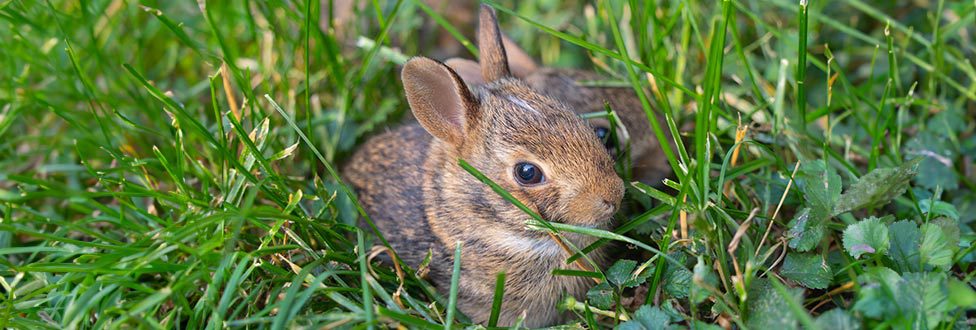
Spring has sprung. The sun is shining. Flowers are blooming. And baby wild animals are starting to wander from their nests.

This time of year, the Animal Rescue League of Boston (ARL) receives phone calls from concerned citizens who come across baby birds and other baby wild animals on the ground. As animals start to grow up, they will begin exploring outside of their nests and often have not learned to be afraid of humans yet. Baby birds may also find their ways out of their nests when they are starting to fly. Although this sight may seem alarming, remember that part of the process of learning to fly comes with being on the ground. It’s typically best to keep a safe distance and not to intervene.

Closeup of a Brown California Towhee fledgling chick on the ground.

A fledgling is a young bird that has grown most of its feathers and recently left the nest for the first time. Fledglings are often seen hopping on the ground, while their parents remain nearby to feed and protect them.

Whenever you see a baby wild animal out of place, take a look around to see where they might have come from. If the animal is in immediate danger like the in the middle of the road, you can often encourage them to move to a safer place without displacing them from their habitat. In most circumstances, making sure that you or your pets cannot harm the animal and allowing them to reunite with their mother gives them the best chance to thrive.

If you find a baby wild animal and are concerned, they may be sick or injured, please review Tufts Wildlife Clinic’s “How to Tell If Baby Wildlife Is Truly Sick or Injured” resource before taking action.


6 Water Safety Tips for Your Pup

Keep Your Dog Safe in and Around the Water This Summer

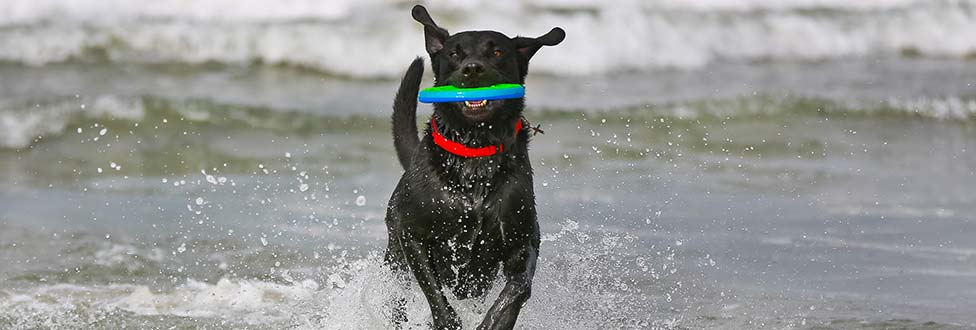
Swimming can be a fun way to help your dog cool off during warmer months, but water can also pose risks. Whether you’re heading to a beach, lake, pond, or a pool, a little preparation can help keep your pup safe.

1. Check Before You Go
Before heading out, confirm that your destination is dog friendly. Many beaches, lakes, ponds, and parks have rules around dogs, including restricted hours, leash requirements, seasonal bans, or limited access areas.

2. Know Your Dog’s Limits
Despite the term “doggy paddle,” not all dogs are natural swimmers. Breeds with short snouts or compact bodies, such as bulldogs and pugs, may struggle in the water, while some dogs may simply never feel comfortable swimming.

If your dog is new to swimming, ease them in slowly. Start in shallow water and help them build confidence before moving to deeper or open water.

3. Gear Up and Know the Exits
A properly fitted life vest can help keep your dog afloat and provide an added layer of protection. Make sure your dog always knows how to get out of the water. If there is only one set of stairs, a ramp, or a dock exit, regularly guide your pup back to it so they can find it quickly if needed.

4. Supervise and Take Breaks
Never leave your dog unsupervised near water. Even strong swimmers can become tired, overheated, or disoriented.

Call your dog in for regular breaks, keep them close to shore, and always have fresh water available.

5. Check for Hazards
Before letting your dog swim, look for currents, tides, posted warnings, red flags, sharp rocks, broken glass, fishing hooks, or other debris.

Be especially cautious around lakes and ponds. Blue-green algae can appear as blue-green or brownish scum on the surface of warm, stagnant water and can be deadly to pets. If the water looks suspicious, keep your dog out and do not let them drink from it.

At the beach, watch how much saltwater your dog may be swallowing. Too much saltwater can lead to salt poisoning, with signs including vomiting, diarrhea, excessive thirst, drooling, confusion, seizures, or collapse.

6. Rinse and Dry After Swimming
After every swim, rinse your dog to remove chlorine, salt, bacteria, or other irritants from their skin and coat.

Dry their ears carefully with a cotton ball, as trapped water can lead to painful ear infections. Signs may include scratching, redness, swelling, odor, discharge, balance issues, or hearing loss. Contact your veterinarian if you notice any concerning symptoms.

Keep Water Fun and Safe

With planning, supervision, and plenty of breaks, you can help your dog enjoy the water safely all summer long. Keep your pets healthy and safe this season with more safety tips.


ARL Offers Tips to Keep Pets Safe During the Holidays

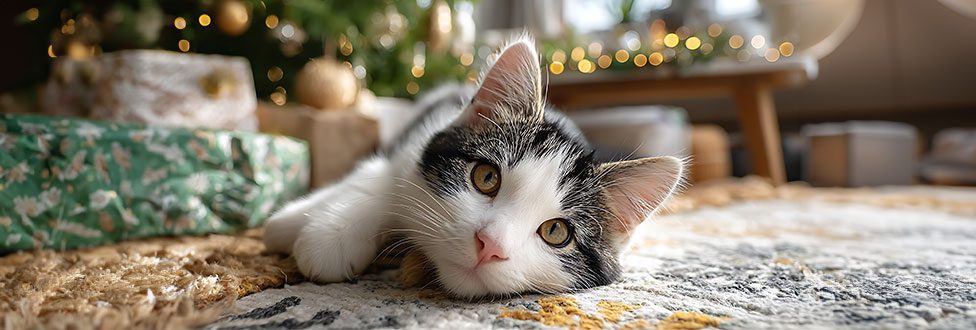
The holiday season is upon us, and the Animal Rescue League of Boston (ARL) is reminding pet owners of some things to keep in mind to help keep our pets safe and healthy as we celebrate with friends, family, food and festivities!

Plants and Decorations

Pet owners should be aware of the holiday plants being brought into the home – mistletoe, holly, some types of lilies can cause a host of issues if they are ingested and additionally, poinsettias, while traditional, can also be toxic. Stick to artificial plant decorations, or opt for a pet-friendly bouquet.

If you have a Christmas tree, make sure it’s anchored so it doesn’t tip over and injure your pet, and also be sure to keep pets from drinking the tree water which could cause gastrointestinal discomfort.

For decorations, with its sparkle, tinsel can be mistaken for a toy, but if ingested can cause vomiting, dehydration or even a blockage in the digestive tract, so in short, if you have pets, leave the tinsel in the box!

Also, be sure to never leave candles unattended, and keep wires, batteries and ornaments out of reach of your pet’s paws.

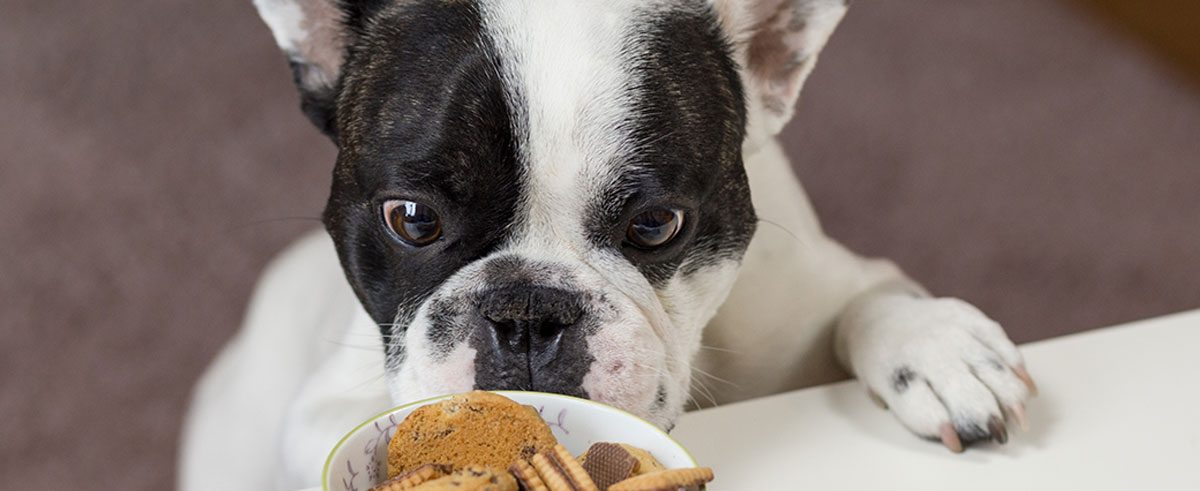
small dog sniffing sweets in a bowl

Foods to Avoid

We all know that chocolate is a no-no, but there are also potential dangers hidden in many of the side dishes and snacks we enjoy during the holidays.

These include onions, garlic, grapes and raisins, nuts, milk and dairy, and xylitol, which is a sweetener found in many products including candy, gum and baked goods, can all be toxic to our pets.

Do not give your dog bones, either cooked or raw! Bones can splinter, causing intestinal obstructions and even fracture teeth.

Be mindful while cooking – consider keeping pets out of the kitchen and remind your guests not to feed your pets any scraps!

Should your pet ingest any items that may be toxic, contact the ASPCA Animal Poison Control Center at (888) 426-4435 immediately.

white cat laying on bookshelf

Holiday Gatherings

If your hosting family or friends for the holidays, it could be a stimulus overload for your pet, causing anxiety and overexcitement. And in turn unpleasant behaviors may surface so be sure to set up your pet for success before your guests arrive.

Give your pets get plenty of attention and exercise prior to guests arriving because we all know tired pets are more apt to be better behaved pets!

With guests constantly coming and going, it’s best to remind visitors to be mindful when entering and exiting your home to ensure your pet does not make a great escape in all of the excitement – if they are overanxious they may make a dash for the door!

Additionally, provide your pet with a safe space away from your guests should they need an escape from the excitement.

The space should have fresh water, food, and items to keep them occupied including toys, or perhaps a food puzzle and bedding so they can be comfortable.

With a bit of preparation, you can help ensure a safe, happy, and worry-free holiday season for both you and your pets.


ARL Hosts Adoption Event To Celebrate Hill’s Milestone

Waived Adoption Fees for Boston Pets Ages 1+ Through December 14

ARL is teaming up with Hill’s Pet Nutrition (Hill’s) to offer WAIVED adoption fees for animals at ARL’s Boston Animal Care & Adoption Center one year and older through December 14th! Adopters will also receive a New Pet Parent Kit from Hill’s, which includes a starter bag of Hill’s Science Diet, a coupon and post-adoption tips.

The event is part of Hill’s “Sweet 16 Million Adoptions Celebration,” which honors the milestone of 16 million pet adoptions supported by the Hill’s Food, Shelter & Love program since its inception in 2002.

“We are thrilled to join Hill’s in this national celebration by offering waived adoption fees at our Boston location. This partnership ensures that more deserving animals like Fiona find the comfort of a home this holiday season.” said ARL President and CEO Dr. Edward Schettino.

The Hill’s Food, Shelter & Love program provides discounted, science-led nutrition to over 1,000 North American animal shelters every day, including for the dogs and cats at ARL. As a proud partner of the program, ARL is excited to join shelters nationwide in celebrating this achievement and help deserving shelter pets in Boston find homes this holiday season. During the adoption campaign, Hill’s will contribute up to $200,000 to offset adoption fees at select Food, Shelter & Love partner locations in the United States and Canada.

ARL’s Animal Care & Adoption Centers in Boston, Dedham, and Cape Cod (Brewster) are open Wednesday through Sunday from 1pm to 6pm.

View all of ARL’s adoptable animals looking for a home for the holidays!


You Can Teach an Old Dog New Tricks

Build a Happier, Healthier Life With Your Dog Through Training

Training your dog is one of the best investments you can make in their happiness and well-being. A well-trained dog is more confident, less stressed, and better equipped to handle new situations. Whether you’re starting with a playful puppy or helping an older dog sharpen their skills, consistency and patience are key. Training is also an incredible bonding experience for you and your pet!

When it comes to your canine companion, few things are more important than training. Whether they are a puppy or a senior, our pets are consistently learning and can always work on their manners.

5 Essential Dog Training Tips

  1. Enroll in a class. From puppy kindergarten to advanced agility courses, there are classes available for every age and ability.
  2. Focus on the positives. Reward your pet with praise and high-value treats for responding to a command correctly. Consistent positive reinforcement makes it more likely for your dog to repeat the behavior.
  3. Keep it short. Limit at-home sessions to 15 minutes, up to 3 times per day, to keep your pup’s attention span.
  4. Commit to a schedule. Our pets thrive when they have a structured routine and repetition is critical to reinforce your pet’s new skills.
  5. Teach an old dog new tricks. If your dog has a firm grasp on the basics, introduce new commands for them to work on.

Enroll in an ARL Dog Training Course

The Animal Rescue League of Boston (ARL) offers a range of classes at our Dedham campus, led by certified trainers. Our programs teach commands, build trust, and strengthen your bond with your dog. From basic manners to agility, there’s a class for every pup! Explore courses and register today.


5 Thanksgiving Foods Your Dog Should Avoid

Keep your pup happy and healthy this holiday season

Thanksgiving is all about gratitude, good food, and great company – including our pets! While it’s tempting to slip your dog a little taste from your plate, some holiday favorites can actually cause serious harm.

Before your pup partakes in Thanksgiving the feast, here are five foods to keep off their menu:

    1. Turkey Bones
      They might seem like a classic treat, but turkey bones can easily splinter and get lodged in your dog’s throat or digestive tract. This can lead to choking, internal injuries, or even surgery. So skip the bones and opt for a dog-safe chew instead.
    2. Fat Trimmings
      Rich, fatty foods are tough for dogs to digest and can trigger pancreatitis, a painful and potentially life-threatening condition. Watch for signs like vomiting, abdominal pain, or lethargy, and keep the greasy leftovers far from your pup’s bowl.
    3. Raw Dough and Cake Batter
      Unbaked dough can potentially rise inside your dog’s stomach, causing bloating and severe discomfort. And if the batter contains raw eggs, there’s also a risk of salmonella. Let your pup “help” in the kitchen by supervising, not taste-testing.
    4. Nutmeg
      This seasonal spice adds warmth to pies and lattes, but it’s toxic to dogs. Even small amounts can cause tremors, seizures, and vomiting. When baking, keep spiced treats safely out of reach.
    5. Raisins and Grapes
      Even tiny amounts of raisins or grapes can cause kidney failure in dogs. Since the reason for their toxicity is still unknown, it’s safest to steer clear altogether.

There are safer ways to include your dog in the celebration!

The best way for your pet to partake in the holiday cheer? Stick with traditional treats that are safe for dogs and cats! Food puzzles and interactive toys like a Kong filled with plain yogurt, peanut butter and 100% real pumpkin are a great way to keep your canine entertained and feeling satisfied all holiday long.

Bonus tip: Keep your vet’s emergency number handy. Should your pet become ill, contact your pet’s veterinarian or the local animal hospital’s number! A quick call to either of them can give you life-saving advice or even help you avoid a trip to the ER. 


Dogs Rescued from Alleged Dogfighting and Breeding Operations

Last week, the Animal Rescue League of Boston (ARL) received six dogs from Humane World for Animals after being rescued from alleged dogfighting operations in Fort Wayne, Indiana, and a large-scale case of alleged neglect at a breeding operation in Harford County, Maryland.

Wrangler, a one-year-old pittie mix, was among the dogs rescued from the dogfighting operation in Indiana, involving 22 animals. The region was under a heat advisory with the heat index reaching approximately 110 degrees when responders arrived at the first property, where they found dogs panting and in filthy hutches and cages. Despite the scorching heat, many of the dogs had no access to water, and some had significant scarring consistent with dogfighting. On the second property, dogs were found on heavy chains outdoors with inadequate protection from the elements – while other dogs were found in cramped cages inside with no water. Responders discovered dogfighting paraphernalia on the properties, including several treadmills and a stand typically used in dogfighting operations to restrain dogs for breeding.

A person leaning over a medium-sized black dog. The dog is looking up at the person

Wrangler

Calendar, Coffee, Fitbit, Slinky and Tassle, all Havanese-mixes between 11 weeks and 5 years old, were rescued from a breeding operation in Maryland, involving over 100 animals. Rescuers were overwhelmed by the odor of ammonia and feces emanating from the residence. Dogs were found roaming throughout the residence, while others were contained in filthy, stacked wire-bottom cages without apparent access to food or water. Some of the dogs were severely matted, and veterinarians noted several suffering from painful dental disease, eye discharge and skin infections. Veterinarians noted many of the dogs were underweight and some were emaciated.

a person wearing PPE, holding two small dogs

Coffee and Fitbit

All of the dogs are fearful, but most are in relatively good health. All six dogs underwent medical evaluations at ARL’s Dedham Animal Care & Adoption Center and will receive veterinary attention and care before being made available for adoption.

two small black and white dogs sitting close together on a bed inside their dog kennel

Slinky and Tassle

“The Animal Rescue League of Boston is honored to welcome these resilient dogs who have endured unimaginable suffering and deplorable conditions. We are dedicated to providing them with the loving homes and lives they truly deserve, and it is our privilege to help them as they begin their journey of healing,” said Dr. Edward Schettino, ARL President and CEO.

Make a donation to support these dogs.

*Note: These dogs are currently not available for adoption. 


How to Prepare Your Pet for Spooky Season

In Massachusetts, Halloween means busy city streets filled with trick-or-treaters, neighborhood block parties, and plenty of creative costumes. While it’s a fun and spirited time for people, the holiday can be overwhelming—or even dangerous—for pets. With a little planning, you can help your four-legged family members stay safe and comfortable while you enjoy the festivities.

4 Tips to Protect Your Pets This Halloween:

  1. Keep candy and chocolate out of reach. The bowl of candy that we make easily accessible for tiny trick-or-treaters is also at paws-length for our pets. Even small amounts of chocolate, xylitol (found in sugar-free candy), and caffeine is toxic to dogs and cats and can cause seizures, liver failure, and even death. If you suspect your pet has eaten something dangerous, call your veterinarian or the ASPCA Poison Control Center at (888) 426-4435 right away.
  2. Be careful with decorations. If your goal is to create the perfect spooky ambiance for all the Halloween festivities, keep in mind that many decorations are not pet-friendly. Faux spider webs, glow sticks, and plastic toys can be harmful if swallowed. Lit candles or jack-o-lanterns can be knocked over by curious pets, leading to burns or even fires.
  3. Create a calm space. The doorbell constantly ringing, a flurry of strangers in costumes, and loud noises can overwhelm pets- especially those who are typically skittish or anxious. Set you cat or dog up in a quiet room with their favorite toys and a TV or white noise to help ease their stress.
  4. Check your pet’s ID. With doors opening and closing all night, there’s a risk of pets slipping outside. Make sure their ID tags and microchip information are up to date so you can be reunited quickly if they get lost.

Halloween can be a wonderful holiday for the whole family—but for pets, it comes with hidden risks. By keeping treats out of reach, decorating with care, reducing stress, checking IDs, and being mindful about costumes, you can ensure your pets stay safe and comfortable. With just a few simple precautions, the holiday can be fun, festive, and worry-free for everyone.

Carve Out Some Fun This Halloween!

Download our free pumpkin carving templates featuring cute animal designs.


New England Patriots Visit ARL

Building on the Patriots’ Mission to Help Pets Find Homes

Dr. Dana Kraft and the New England Patriots Foundation visited the Animal Rescue League of Boston’s Dedham Animal Care & Adoption Center for a special volunteer day!

New England Patriots players and Dr. Dana Kraft met and “trained” pups Brandy, Mary, Jack, Whiskey, Hera, and Remi. And they even got to meet our resident pig, Gordy.

Patriots and team outside against a wooden fencing looking into a paddock containing a pig

We’re so thankful to the Kraft family, along with players Brenden Schooler, Andy Borregales, Caedan Wallace, Mike Onwenu, and Bryce Barringer, and the entire New England Patriots Foundation for helping give our animals the love and care they deserve.

Want more puppy love + Patriots smiles? Check out the full image gallery.

Two Patriots players are playing with a puppy outside

About the Patriots Foundation

In 1994, Robert Kraft established the New England Patriots Foundation as a way to give back to the communities the team calls home. Since then, the foundation has focused on supporting individuals and families who are often overlooked or marginalized. Through year-round programs and partnerships with local nonprofits, the foundation continues to strengthen communities and make a lasting impact across New England. Learn more about the Patriots Foundation.


ARL Reminds Pet Owners to Keep Pets Safe During Heat Wave

Tips to Protect Pets in Extreme Heat

With temperatures soaring over the next few days, the Animal Rescue League of Boston (ARL) is reminding pet owners to take steps to keep pets safe as we experience extreme weather conditions.

Keep your pet safe and healthy by following these important basic guidelines:

  • Prevention is always your best bet. Whenever possible, leave your pet at home in a cool, low-humidity, and temperature-regulated room.
  • If your pet must be outdoors, find a shady spot with ample air flow to prevent overheating.
  • Hydration is key, so keep a bowl of cold water accessible at all times.
  • Limit exercise to the morning or evening hours when temperatures are at their coolest. Aside from the heat, the high humidity can cause respiratory issues for animals, particularly short-snouted animals (e.g., pugs).
  • When the temperatures rise, it’s Too Hot for Spot®! Never leave your pet alone in a parked car — even with the air conditioner on or the windows cracked.

It is illegal in Massachusetts to keep an animal confined in a vehicle during extreme hot or cold conditions, and when a weather advisory is issued, it is also illegal to keep dogs tethered for longer than five hours in a 24-hour period. Dogs also cannot be tethered outdoors between 10 PM and 6 AM, unless for not more than 15 minutes, and when the owner/keeper is present.

See an animal that is in imminent danger or distress? If so, contact your local animal control or police department immediately.

More summer pet safety tips.