
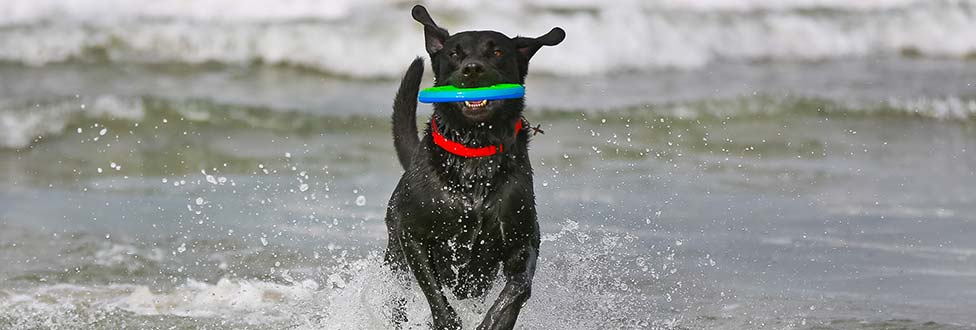
6 Water Safety Tips for Your Pup
Keep Your Dog Safe in and Around the Water This Summer
Swimming can be a fun way to help your dog cool off during warmer months, but water can also pose risks. Whether you’re heading to a beach, lake, pond, or a pool, a little preparation can help keep your pup safe.
1. Check Before You Go
Before heading out, confirm that your destination is dog friendly. Many beaches, lakes, ponds, and parks have rules around dogs, including restricted hours, leash requirements, seasonal bans, or limited access areas.
2. Know Your Dog’s Limits
Despite the term “doggy paddle,” not all dogs are natural swimmers. Breeds with short snouts or compact bodies, such as bulldogs and pugs, may struggle in the water, while some dogs may simply never feel comfortable swimming.
If your dog is new to swimming, ease them in slowly. Start in shallow water and help them build confidence before moving to deeper or open water.
3. Gear Up and Know the Exits
A properly fitted life vest can help keep your dog afloat and provide an added layer of protection. Make sure your dog always knows how to get out of the water. If there is only one set of stairs, a ramp, or a dock exit, regularly guide your pup back to it so they can find it quickly if needed.
4. Supervise and Take Breaks
Never leave your dog unsupervised near water. Even strong swimmers can become tired, overheated, or disoriented.
Call your dog in for regular breaks, keep them close to shore, and always have fresh water available.
5. Check for Hazards
Before letting your dog swim, look for currents, tides, posted warnings, red flags, sharp rocks, broken glass, fishing hooks, or other debris.
Be especially cautious around lakes and ponds. Blue-green algae can appear as blue-green or brownish scum on the surface of warm, stagnant water and can be deadly to pets. If the water looks suspicious, keep your dog out and do not let them drink from it.
At the beach, watch how much saltwater your dog may be swallowing. Too much saltwater can lead to salt poisoning, with signs including vomiting, diarrhea, excessive thirst, drooling, confusion, seizures, or collapse.
6. Rinse and Dry After Swimming
After every swim, rinse your dog to remove chlorine, salt, bacteria, or other irritants from their skin and coat.
Dry their ears carefully with a cotton ball, as trapped water can lead to painful ear infections. Signs may include scratching, redness, swelling, odor, discharge, balance issues, or hearing loss. Contact your veterinarian if you notice any concerning symptoms.
Keep Water Fun and Safe
With planning, supervision, and plenty of breaks, you can help your dog enjoy the water safely all summer long. Keep your pets healthy and safe this season with more safety tips.