I Found A Baby Wild Animal. What Do I Do Now?
ARL Provides Tips on What to Do When You See a Baby Animal on Their Own
Spring has sprung. The sun is shining. Flowers are blooming. And baby wild animals are starting to wander from their nests.
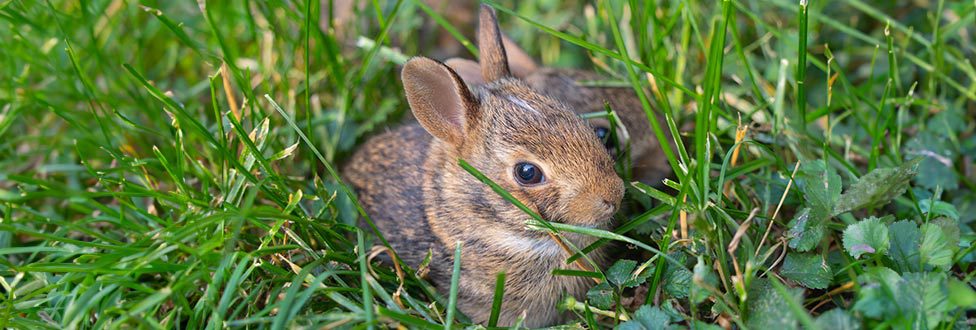
This time of year, the Animal Rescue League of Boston (ARL) receives phone calls from concerned citizens who come across baby birds and other baby wild animals on the ground. As animals start to grow up, they will begin exploring outside of their nests and often have not learned to be afraid of humans yet. Baby birds may also find their ways out of their nests when they are starting to fly. Although this sight may seem alarming, remember that part of the process of learning to fly comes with being on the ground. It’s typically best to keep a safe distance and not to intervene.

A fledgling is a young bird that has grown most of its feathers and recently left the nest for the first time. Fledglings are often seen hopping on the ground, while their parents remain nearby to feed and protect them.
Whenever you see a baby wild animal out of place, take a look around to see where they might have come from. If the animal is in immediate danger like the in the middle of the road, you can often encourage them to move to a safer place without displacing them from their habitat. In most circumstances, making sure that you or your pets cannot harm the animal and allowing them to reunite with their mother gives them the best chance to thrive.
If you find a baby wild animal and are concerned, they may be sick or injured, please review Tufts Wildlife Clinic’s “How to Tell If Baby Wildlife Is Truly Sick or Injured” resource before taking action.